Warning Signs Your Patio Has Drainage Problems
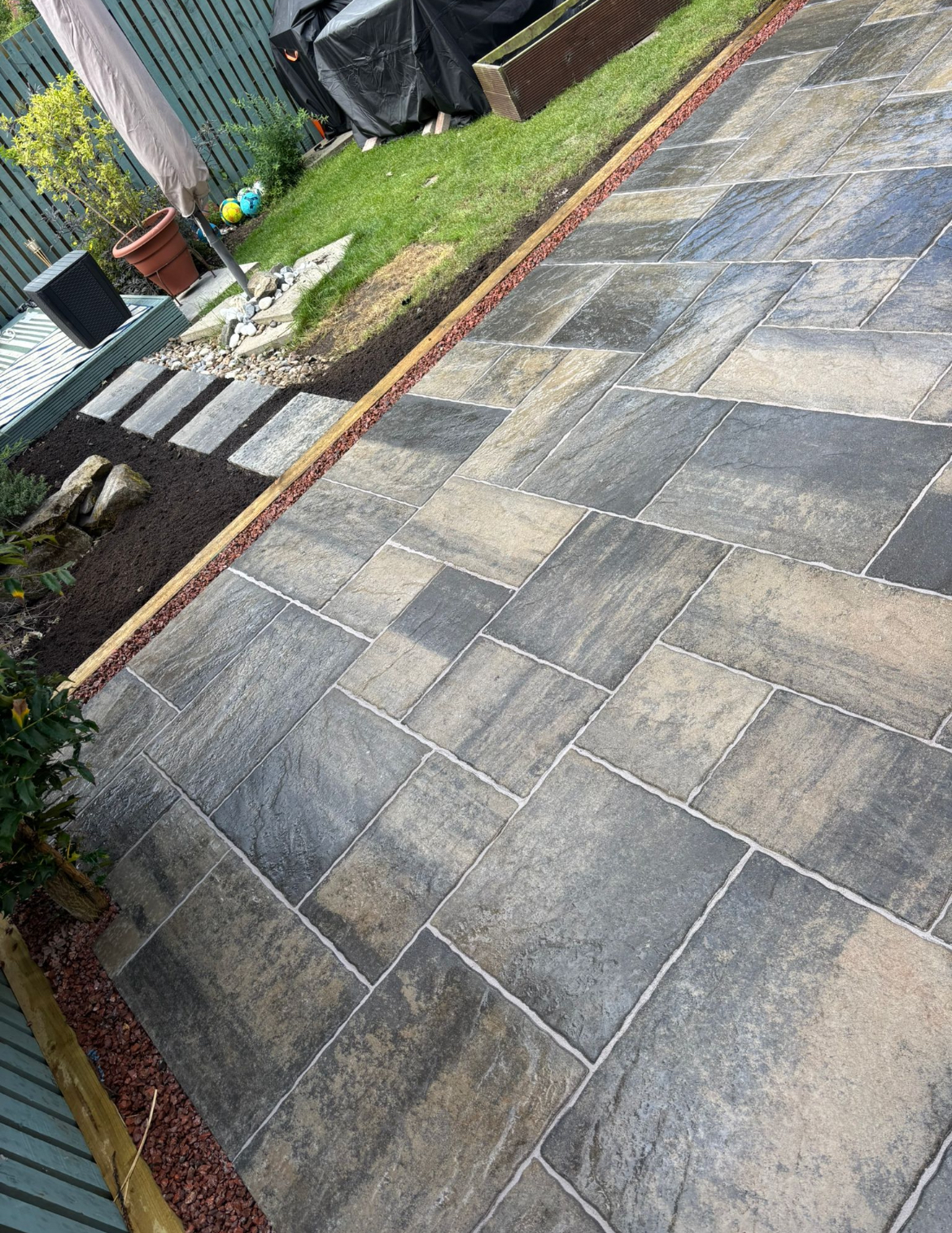
A beautiful patio is a valuable addition to any property, but poor drainage can turn it into an expensive nightmare. At Maybury Landscaping, we regularly fix drainage problems caused by improper installations—and the damage is often far worse than homeowners realize. Here are the critical warning signs that your patio drainage is failing.
Why This Matters
Drainage problems do not fix themselves—they get progressively worse. Water damage to your property can lead to damp, structural issues, and expensive repairs costing thousands of pounds. Early detection is crucial.
1. Water Pooling or Puddles After Rain
The most obvious sign of drainage failure is water collecting on your patio surface or along the edges after rainfall. If puddles remain for more than a few hours, your patio is not draining properly. This usually means the surface is either level or—worse—sloping toward your property instead of away from it.
What it means: Improper gradient during installation. Your patio should have a minimum fall of 1:60 away from buildings.
The danger: Standing water will eventually find its way under paving, weakening the sub-base and causing settlement. It can also penetrate into your property, causing damp issues.
2. Damp Patches on Internal Walls
If you notice damp appearing on interior walls adjacent to your patio, this is a serious red flag. The patio may be directing water toward your property, where it is soaking through or finding its way under the damp-proof course.
What it means: Water is being directed toward your property rather than away from it, and your damp-proof membrane (if present) has failed or was never installed correctly.
The danger: Penetrating damp can cause serious structural damage, rot wooden joists, damage plaster, and create health hazards from mold growth. This is not just a cosmetic issue—it is a building defect.
3. Sunken or Uneven Paving Slabs
If sections of your patio have started to sink, creating uneven surfaces or trip hazards, this indicates water has compromised the sub-base beneath. Poor drainage allows water to wash away or soften the foundation material, causing settlement.
What it means: Inadequate or poorly compacted sub-base, combined with water ingress undermining the structure.
The danger: Once settlement begins, it accelerates. The problem will spread, and eventually, the entire patio will need to be lifted and reinstalled correctly—an expensive fix.
4. Algae, Moss, or Slime Growth
Excessive algae or moss growth, particularly in specific areas, indicates moisture is not draining away. While some moss is normal in Scotland, rapid regrowth after cleaning or thick slime covering sections of paving points to persistent dampness.
What it means: Water is sitting on or just below the surface due to inadequate drainage gradient or blocked drainage channels.
The danger: Beyond being unsightly and slippery, persistent moisture accelerates freeze-thaw damage in winter, causing paving to crack and spall.
5. Efflorescence (White Staining)
White, powdery deposits appearing on your paving or brickwork are called efflorescence. This occurs when water moves through the material, dissolving salts and bringing them to the surface.
What it means: Excessive moisture is present in your paving or sub-base, usually due to poor drainage or a missing damp-proof membrane.
The danger: While efflorescence itself is not structurally damaging, it is a clear indicator that water is penetrating where it should not be—and that often means bigger problems are developing below.
6. Increased Humidity or Musty Smell Indoors
If rooms adjacent to your patio feel unusually humid or smell musty, water may be penetrating through walls or under floors. This often goes unnoticed until serious damage has occurred.
What it means: Your patio drainage is directing water toward—or under—your property, where it is causing hidden damp problems.
The danger: By the time you notice humidity or smell, significant damage may already exist within wall cavities or under floors. This can affect insulation, wiring, and structural timbers.
7. Cracked or Lifting Paving
Cracks appearing in paving slabs or individual slabs lifting at the edges usually result from water freezing beneath the surface. When drainage fails, water becomes trapped in the sub-base. In winter, this freezes and expands, creating pressure that cracks or lifts paving.
What it means: Water is not draining away from the sub-base, and freeze-thaw cycles are causing progressive damage.
The danger: Each winter will worsen the problem. Eventually, large sections of paving will fail and require complete replacement.
What Should You Do?
If you have noticed any of these warning signs, it is essential to get a professional assessment. Ignoring drainage problems will only make them worse and more expensive to fix. At Maybury Landscaping, we specialize in remedial drainage work—correcting the mistakes of improper installations.
How We Fix Drainage Problems
Unlike some contractors who simply patch problems, we implement permanent solutions that comply with building regulations:
- Complete removal and reinstallation with correct gradients
- Installation of proper damp-proof membranes
- French drains and channel drainage where needed
- Sub-base depth 40% greater than industry minimum standards
- Full photographic documentation for insurance purposes
We have successfully resolved drainage issues across Edinburgh, Falkirk, Stirling, and Central Scotland—see our case studies below.
Do not Delay
Drainage problems worsen rapidly, particularly through Scottish winters. What starts as a puddle can become thousands of pounds in structural repairs within a year. If you have spotted any warning signs, get a professional assessment now.
Related Content & Services
Maybury Landscaping are qualified drainage correction specialists serving Edinburgh, Falkirk, Stirling, and Central Scotland. All remedial work is fully guaranteed and complies with current building regulations.