Scottish Drainage Law Explained – What You Can (and Can't) Do With Surface Water
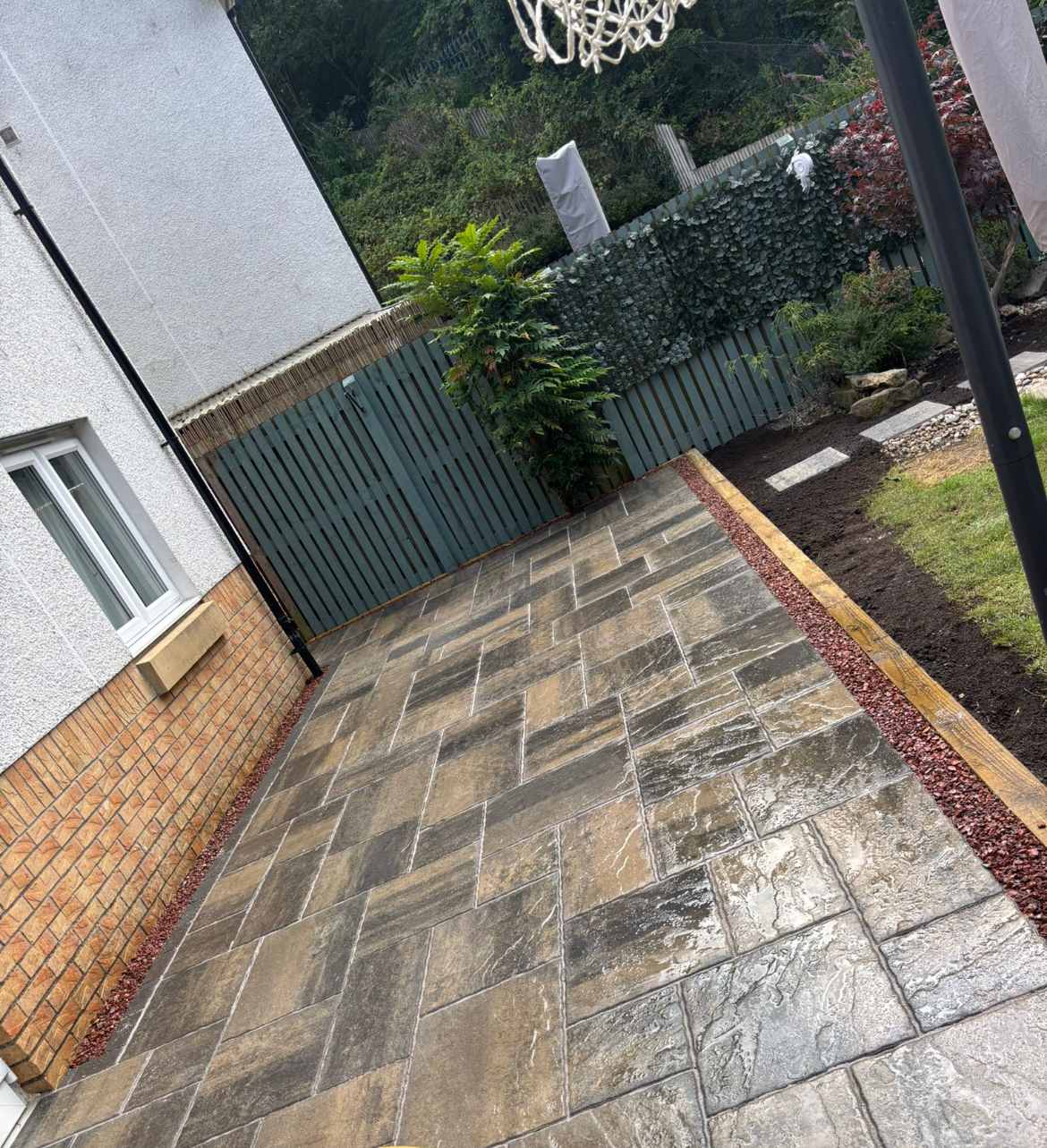
The Golden Rule
Water flows downhill—and Scottish law respects that. You can drain surface water in the natural direction of flow, but you cannot make things worse for your neighbours. This guide explains exactly what you can do, what's illegal, and how to stay compliant.
When it Rains in Scotland (Which it Often Does)
That water has to go somewhere—and under Scottish law, there are clear rules about how you can drain it and where you can divert it.
At Maybury Landscaping, we're often asked: "Can I just take the water off my land and pipe it downstream?"
The short answer is yes, but only if it follows the natural direction of flow—and you don't cause problems for anyone else along the way.
Real Case: The £6,000 Mistake
A homeowner in Livingston had a new block paving driveway installed without proper drainage. Water ran across the public footpath, causing hazardous icy conditions.
The cost? £2,800 to install compliant ACO drains + £3,200 to lift and relay the entire driveway with correct falls = £6,000 remedial work. Plus council enforcement action and neighbour disputes.
Scottish Common Law: Water Flows Naturally Downhill
Scottish common law says that surface water naturally flows from higher to lower ground—and the owner of the lower land must accept that natural flow.
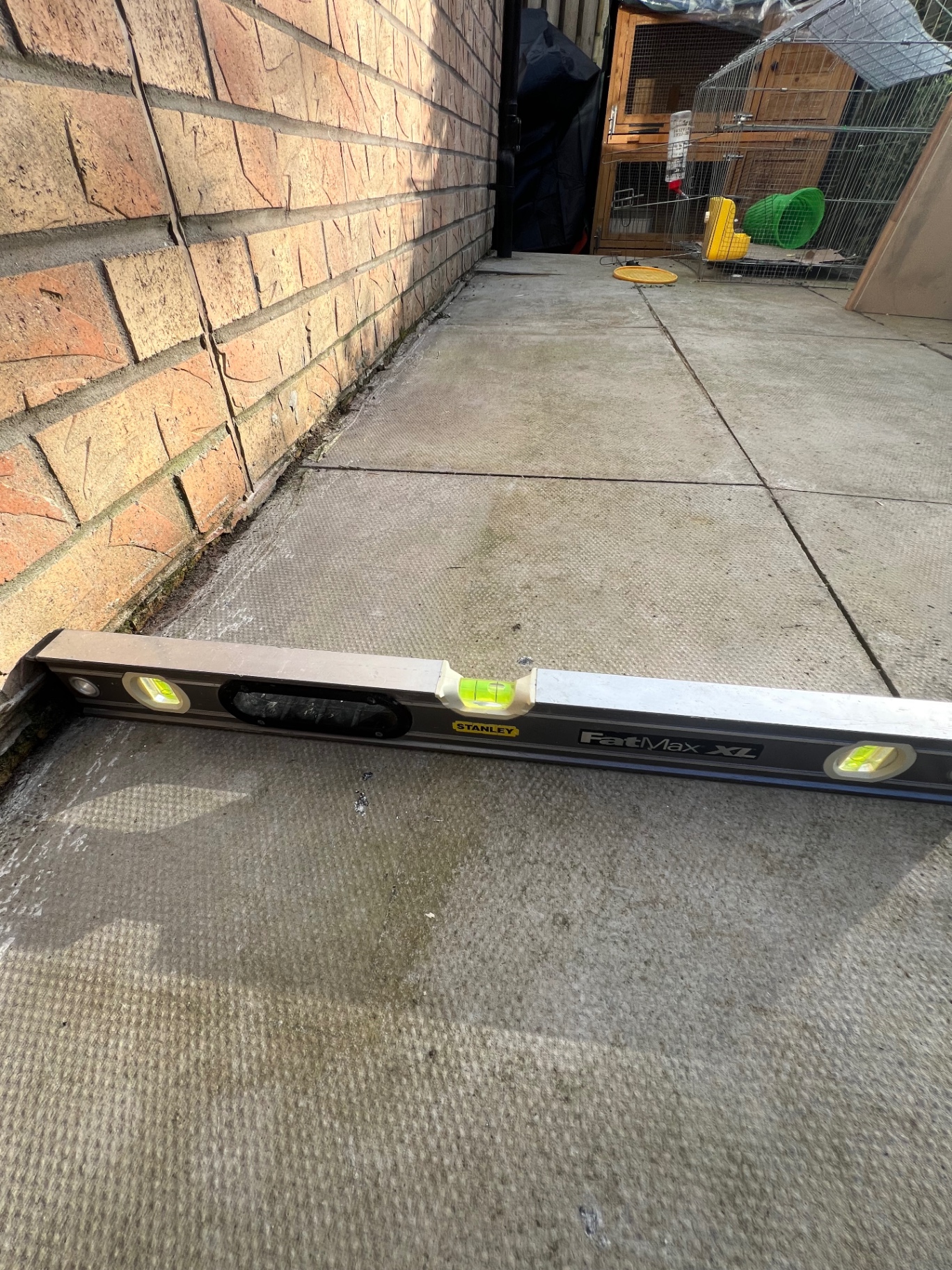
In simple terms:
- If your property is higher, water will run off naturally onto the lower property.
- The person below can't stop it.
- But you can't make it worse by artificially increasing or redirecting that water in a way that causes flooding or damage.
So yes—you're allowed to divert water "downstream" as long as it's in line with the natural lie of the land.
What You CAN Do (Legally)
Drain surface water in natural direction of flow
Following the natural gradient from higher to lower ground
Install proper drainage channels on your property
ACO drains, gullies, and collection systems within your boundaries
Create soakaways within your land
Minimum 5m from buildings, 2.5m from boundaries
Connect to surface water sewers
With Scottish Water approval, following drainage hierarchy
Discharge to natural watercourses
With SEPA compliance (General Binding Rules or CAR license)
Manage water responsibly using BS 7533 standards
Proper falls, materials, and professional installation
What You CANNOT Do (Legally)
Redirect water onto neighbour's property where it didn't naturally flow
Creating new drainage paths is illegal and actionable
Increase volume or speed of water runoff artificially
Poor drainage design causing flooding is your liability
Block natural water flow from uphill properties
Upstream owners have drainage rights you cannot obstruct
Discharge directly onto public roads or footpaths
Council enforcement action and remediation orders
Connect surface water to combined sewers
Illegal under Scottish Water regulations—causes sewer overload
Create drainage that causes damp or flooding to others
You'll be liable for damages, repairs, and legal costs
Modern Scottish Drainage Regulations
Beyond the old common-law rules, there are modern drainage laws and regulations you must follow:
Scottish Environment Protection Agency (SEPA)
Controls any discharge to natural watercourses. Requires General Binding Rules compliance or CAR (Controlled Activities Regulations) license for water discharge to burns, streams, or rivers.
Scottish Water
Requires you to follow the drainage hierarchy (see table below). Approval needed for surface water sewer connections. Prohibits connection of surface water to combined sewers except in exceptional circumstances.
Building Standards Scotland
Building warrant required when drainage work affects building foundations, structural stability, or involves connection to public sewers. Compliance with Technical Handbook Section 3.6 (Surface Water Drainage).
Local Authority
Planning permission may be required for large-scale drainage systems. Roads department approval needed if work affects public roads or footpaths. Environmental health can enforce against nuisance caused by poor drainage.
The Scottish Water Drainage Hierarchy
You must attempt each solution in priority order before moving to the next:
| Priority | Solution | When to Use | Approval Needed |
|---|---|---|---|
| 1️⃣ | Rainwater reuse | Always consider first—water butts, tanks | No |
| 2️⃣ | Soakaway/infiltration | Suitable soil, 5m+ from buildings | No (usually) |
| 3️⃣ | Watercourse discharge | Natural burns/streams nearby | SEPA (GBR or CAR) |
| 4️⃣ | Surface water sewer | Available in your area | Scottish Water |
| 5️⃣ | Combined sewer | Last resort only—rarely approved | Scottish Water |
How Maybury Landscaping Ensures Legal Compliance
At Maybury Landscaping, all of our driveways, patios, and garden builds are designed with responsible drainage in mind. We build everything 40% stronger than the industry standard, and all our installations exceed BS 7533.
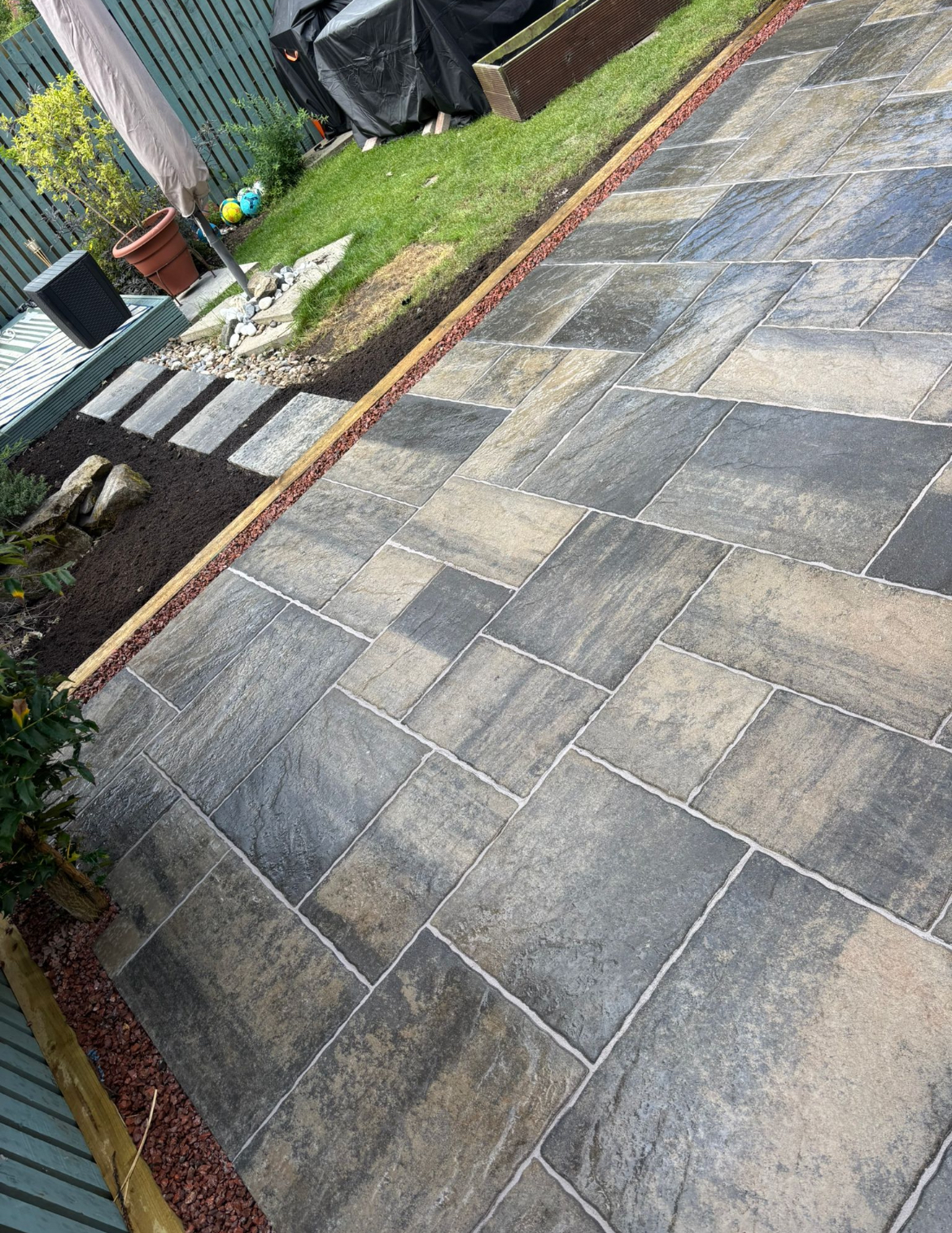
We don't just make your property look beautiful—we make sure it stays dry, compliant, and future-proof.
Every Maybury Project Includes:
- Full surface drainage plan designed before work starts
- Proper ACO channel drains at property boundaries
- Correct slope and run-off (minimum 1:60, typically 1:40)
- Compliance with Scottish drainage law, SEPA, and Scottish Water
- Professional soakaway design and installation
- Complete documentation and Lifetime Guarantee
5 Warning Signs Your Drainage Isn't Compliant
Water pooling on paved surfaces
Standing water after rain indicates inadequate falls—should be 1:60 minimum
Water running onto neighbour's property
Potential legal liability for damage, damp, or flooding
Discharge onto public footpath or road
Council can issue enforcement action and require immediate remediation
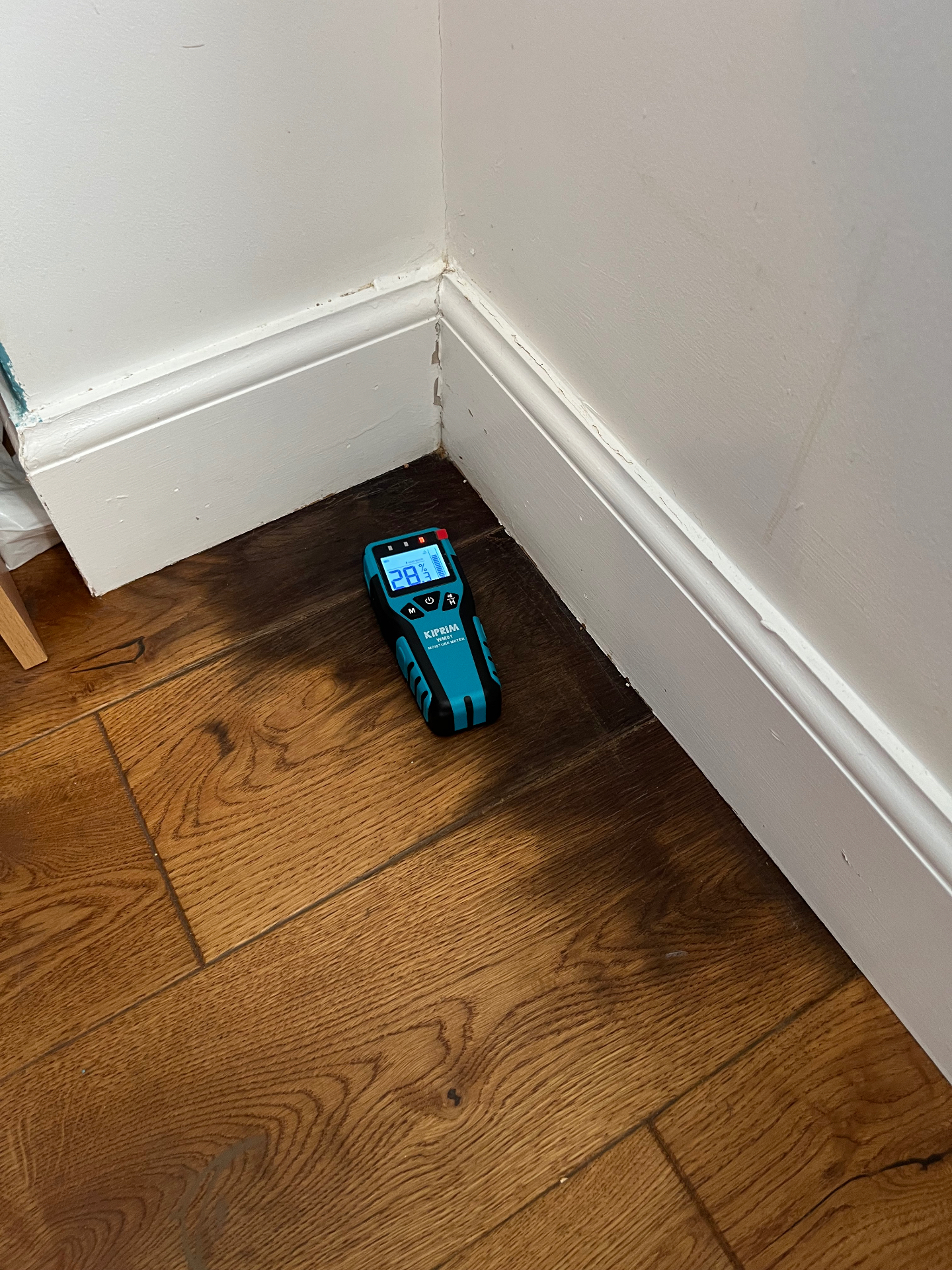
Damp readings increasing inside buildings
Poor external drainage causing structural damp penetration
No visible drainage channels or outlets
Installation doesn't comply with BS 7533—eventual failure guaranteed
Summary: The 3 Golden Rules
- 1.
Follow the natural water flow
You can drain downstream, but only in the natural direction that water already flows
- 2.
Don't make it worse for others
Never increase volume, speed, or redirect water to cause problems for neighbours or public spaces
- 3.
Always include proper drainage planning
BS 7533 compliance, correct falls, ACO drains, soakaways, and professional installation—from day one
Need Expert Drainage Design?
Every driveway and patio installation from Maybury Landscaping includes full drainage compliance as standard. We handle all the technical design, legal requirements, and professional installation—backed by our Lifetime Guarantee.
Free drainage assessment with every quote
Full compliance with Scottish law, SEPA, and Scottish Water
Lifetime Guarantee on all drainage work
Contact Maybury Landscaping:
📧 Email: enquiries@mayburylandscaping.co.uk
📞 Freephone: 0800 644 0131
💬 WhatsApp: 07938 875344