Pet-Friendly Artificial Grass: The Complete Scottish Dog Owner's Guide
Everything Edinburgh, Stirling, and Falkirk dog owners need to know
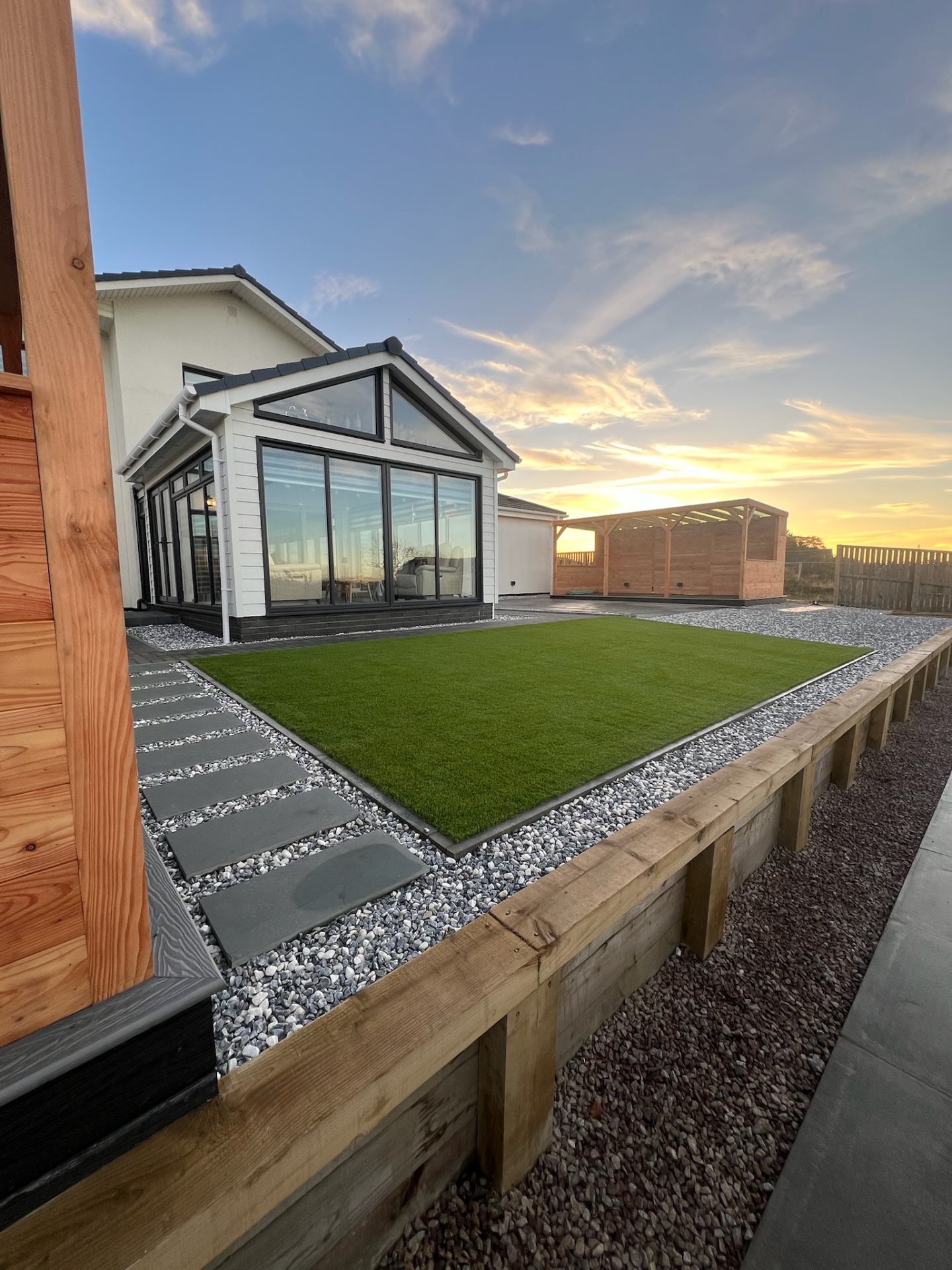
Tired of muddy paw prints, destroyed lawns, and constant garden maintenance with your dog? Pet-friendly artificial grass transforms gardens for thousands of Scottish dog owners across Edinburgh, Stirling, Falkirk, and Central Scotland. This comprehensive guide covers everything you need to choose, install, and maintain artificial grass perfectly suited for your four-legged family members.
Why Scottish Dog Owners Choose Artificial Grass
Natural lawns and dogs rarely coexist peacefully—especially in Scotland's wet climate. Artificial grass solves persistent problems facing dog owners:
1. Eliminates Muddy Paws and Dirty Houses
Scotland's 900-1,400mm annual rainfall creates perpetual mud during autumn and winter. Dogs tracking mud through homes means constant cleaning—floors, carpets, furniture, and vehicles. Artificial grass provides clean, mud-free surface year-round. Your dog plays outside freely while you enjoy clean, dry floors inside.
2. No More Destroyed Lawns and Bald Patches
Dog urine kills natural grass creating unsightly brown patches. High-traffic areas where dogs run develop bald spots and compacted soil. Female dog urine concentrates chemicals burning grass quickly. Artificial grass remains perfect regardless of dog activity—no dead patches, no worn pathways, no constant reseeding fighting losing battles.
3. Eliminates Harmful Chemicals and Pesticides
Maintaining natural lawns requires fertilizers, weed killers, and moss treatments—many containing chemicals harmful to dogs. Dogs roll in grass, lick paws after walking, and occasionally eat grass consuming these substances. Artificial grass eliminates all chemical treatments creating genuinely safe environment for pets.
4. Prevents Parasite Habitats
Natural grass harbors fleas, ticks, and parasites threatening dog health. Long grass provides ideal breeding grounds. Artificial grass creates inhospitable environment for parasites—no soil for larvae, no dense vegetation for ticks, and regular cleaning eliminates potential hosts.
5. Reduces Garden Maintenance Dramatically
Dog owners struggle maintaining attractive gardens while accommodating pets' needs. Artificial grass eliminates weekly mowing, fertilizing, overseeding bare patches, and fighting constant destruction. Spend time enjoying your dog rather than repairing garden damage.
Critical Features: What Makes Artificial Grass Pet-Friendly?
Not all artificial grass suits dogs. Pet-friendly products require specific features handling dogs' unique requirements:
1. Antimicrobial Backing Technology
Essential for odor control. Antimicrobial backing prevents bacteria growth from dog urine creating persistent odors. This specialized backing contains agents inhibiting bacterial colonization—crucial for maintaining fresh, hygienic surface. Without antimicrobial protection, urine bacteria multiply causing increasingly unpleasant smells requiring expensive professional cleaning or replacement.
Cost difference: Antimicrobial backing adds £8-£12 per square metre but essential for pet areas—false economy skipping this feature.
2. Superior Drainage Rate (40-50+ Litres/m²/Minute)
Critical for Scottish conditions. Standard residential artificial grass drains 25-30 litres/m²/minute—inadequate for dogs. Pet areas require 40-50+ litres/m²/minute drainage handling frequent urination combined with Scotland's heavy rainfall. Enhanced drainage prevents urine pooling on surface, allows liquids flowing through to sub-base quickly, eliminates standing water breeding bacteria, and maintains hygienic conditions.
Professional pet installations include deeper aggregate sub-base (75-100mm vs standard 50mm) facilitating superior drainage performance.
3. Heavy-Duty Backing Resistant to Tearing
Dogs' claws create significant stress on artificial grass backing during running and playing. Pet-friendly products use reinforced latex or polyurethane backing resisting tears and separation. Budget artificial grass uses thin backing tearing quickly under dog traffic—visible seams and displacement develop within 12-18 months requiring costly repairs.
4. Appropriate Pile Height (35-40mm)
Balances comfort, durability, and drainage. Shorter pile (20-30mm) becomes uncomfortable for dogs lying down and shows wear patterns quickly. Longer pile (45mm+) traps debris, impedes drainage, and costs more without significant benefits for dogs.
35-40mm pile height provides optimal performance: comfortable cushioning for playing and resting, sufficient length preventing paw abrasion, facilitates effective drainage and cleaning, and recovers shape after flattening.
5. Lead-Free Materials Meeting UK Safety Standards
Non-negotiable for pet safety. Quality artificial grass uses lead-free materials meeting British Safety Standards. Some imported budget products contain lead or other harmful substances posing serious health risks. Verify products comply with EN71-3 (toy safety standard) ensuring materials safe for children and pets.
6. Dense, Resilient Pile (18,000+ Stitches/m²)
Pile density affects durability under constant dog traffic. Dense pile (18,000-20,000 stitches per square metre) resists flattening, maintains appearance longer, provides better cushioning, and recovers shape after heavy use. Lower density grass (below 16,000 stitches/m²) develops traffic patterns and permanent flattening within 2-3 years.
Choosing the Right Artificial Grass for Your Dog
Consider your dog's specific characteristics when selecting artificial grass:
Small Dogs (Under 10kg): Toy Breeds, Terriers, Small Spaniels
Small dogs create minimal wear allowing mid-range artificial grass with 30-35mm pile height, 35-40 litres/m²/minute drainage, antimicrobial backing, and standard pet-friendly features. These dogs rarely cause tearing or excessive flattening making premium products unnecessary unless budget permits.
Recommended investment: £55-£70 per square metre installed.
Medium Dogs (10-25kg): Cocker Spaniels, Collies, Beagles
Medium dogs require quality pet-specific artificial grass with 35-38mm pile height, 40-45 litres/m²/minute drainage, heavy-duty backing, antimicrobial protection, and dense pile (18,000+ stitches/m²). These active dogs create moderate wear requiring durable products maintaining appearance 12-15 years.
Recommended investment: £65-£80 per square metre installed.
Large Dogs (25kg+): Labradors, German Shepherds, Golden Retrievers
Large dogs demand premium pet-friendly artificial grass with 38-40mm pile height, 45-50+ litres/m²/minute drainage, reinforced commercial-grade backing, antimicrobial protection, and maximum pile density (20,000+ stitches/m²). Large dogs' weight and activity create significant wear—only premium products provide adequate durability.
Recommended investment: £75-£90 per square metre installed.
Multiple Dogs: Any Size Combination
Multiple dogs exponentially increase wear and urine concentration. Choose premium commercial-grade artificial grass regardless of individual dog sizes. Enhanced drainage becomes critical—consider dedicated drainage channels in heaviest use areas. Installation must include deeper sub-base (100mm minimum) and potentially additional drainage solutions.
Recommended investment: £80-£95 per square metre installed with enhanced drainage.
Puppies and Young Dogs: High Energy, Still Learning
Young dogs' enthusiasm tests artificial grass durability through constant running, jumping, and occasional digging attempts. Choose mid to premium products with excellent edge securing preventing lifting. Consider installing designated digging area (sandbox or specific section) redirecting natural behaviors away from artificial grass.
Professional Installation: Critical for Pet Areas
Professional installation particularly important for pet-friendly artificial grass. Proper construction ensures long-term performance:
1. Enhanced Drainage Sub-Base
Pet areas require 75-100mm compacted Type 1 MOT aggregate sub-base—deeper than standard installations. This extra depth provides superior drainage capacity handling concentrated urine areas and Scottish rainfall. Inadequate sub-base causes urine pooling and odor problems no amount of surface cleaning resolves.
2. Premium Geotextile Membrane
Heavy-duty membrane prevents sub-base contamination from organic matter while facilitating drainage. Standard weed membranes insufficient for pet areas—use specialized geotextile fabrics rated for drainage applications.
3. Secure Edge Installation
Dogs testing boundaries require reinforced edge securing. Professional installers use galvanized pins every 100-150mm around perimeters plus timber or composite edging boards creating defined boundaries. Poorly secured edges lift during play allowing dogs pulling up artificial grass.
4. Proper Infill Selection
Silica sand infill works well for most dog areas. Avoid rubber crumb infill for pets—dogs can ingest small particles and rubber retains odors. Apply sand infill at correct density (6-8kg per square metre) supporting blades while facilitating drainage.
Cleaning and Maintenance: Keeping Artificial Grass Fresh
Regular maintenance keeps pet-friendly artificial grass hygienic and odor-free:
Weekly Maintenance (5-10 Minutes)
- Hose down entire area removing surface debris and diluting urine salts
- Remove solid waste immediately using biodegradable bags
- Brush heavily trafficked areas with stiff brush restoring pile orientation
- Check drainage performance ensuring water flowing through freely
Monthly Deep Clean (30-45 Minutes)
- Apply pet-safe artificial grass cleaner or diluted white vinegar solution (1:10 ratio)
- Agitate with stiff brush working cleaner into pile and backing
- Rinse thoroughly removing all cleaning solution
- Apply enzymatic odor eliminator if persistent smells develop
Seasonal Maintenance
- Spring: Power wash entire surface removing accumulated debris and organic matter
- Autumn: Remove fallen leaves promptly preventing decomposition and staining
- Winter: Ensure snow melts drain properly—artificial grass tolerates freezing without damage
Addressing Common Concerns
Will My Dog Accept Artificial Grass?
Most dogs adapt to artificial grass within days. Some dogs initially hesitate due to different texture and appearance. Encourage acceptance by: placing favorite toys on artificial grass, rewarding dog for walking on surface, allowing gradual exploration without forcing, and maintaining normal toilet routines. Within 3-7 days, virtually all dogs use artificial grass naturally.
What If My Dog Is a Determined Digger?
Persistent diggers require strategic management. Artificial grass installation won't eliminate digging instinct. Solutions include: creating designated digging area (sandbox or specific section), reinforcing edges with timber or composite boards, securing perimeter with heavy-duty pins every 100mm, providing mental stimulation and adequate exercise reducing digging behavior, and considering behavioral training for extreme cases. Most dogs reduce digging once artificial grass installed—lacks satisfying soil texture motivating behavior.
Can I Install Artificial Grass With Multiple Large Dogs?
Yes, but requires premium products and professional installation. Multiple large dogs create exceptional wear and concentrated urine areas. Essential requirements: commercial-grade artificial grass rated for high traffic, enhanced drainage with 100mm+ sub-base depth, consideration for dedicated drainage channels in heaviest use zones, and potentially phased installation starting with most problematic areas. Many Edinburgh and Central Scotland households successfully maintain artificial grass with multiple large dogs—proper specification and installation critical for success.
Real Scottish Dog Owner Experiences
Sarah M., Edinburgh (2 Labradors)
"We installed artificial grass three years ago after our lawn became completely destroyed. Two Labradors created permanent mud patch where grass once grew. Now our garden looks perfect year-round, no muddy paw prints through the house, and the dogs absolutely love it. Best decision we made for our family and pets."
James T., Stirling (1 Cocker Spaniel)
"Skeptical initially about artificial grass for our dog, but after two years, we couldn't be happier. Weekly hosing keeps everything clean, no odor issues whatsoever, and our Cocker Spaniel plays as enthusiastically as she did on natural grass—just without destroying the garden. Wish we'd done this years ago."
Maybury Landscapes: Pet-Friendly Installations Across Central Scotland
Maybury Landscapes specializes in pet-friendly artificial grass installations throughout Edinburgh, South Queensferry, Kirkliston, Stirling, Falkirk, Livingston, and Central Scotland. We understand dog owners' unique requirements providing:
- Premium pet-specific artificial grass with antimicrobial backing and superior drainage
- Enhanced drainage systems handling concentrated urine areas and Scottish rainfall
- Professional installation guarantees backed by extensive pet installation experience
- Expert advice matching products to your dog's size, breed, and activity level
- Comprehensive maintenance guidance ensuring long-term performance
Transform Your Garden for Your Dog
Contact Maybury Landscapes for professional pet-friendly artificial grass installation. We provide detailed consultations understanding your dog's needs, transparent pricing with no hidden costs, and quality installations dog owners across Scotland trust.
Frequently Asked Questions
Is artificial grass safe for dogs in Scottish gardens?
Yes, high-quality artificial grass is completely safe for dogs when properly installed with pet-specific features. Choose products with antimicrobial backing preventing bacteria growth and odors, lead-free materials meeting UK safety standards, soft yet durable blades preventing paw abrasion, and superior drainage (40+ litres/m²/minute) essential in Scotland's wet climate. Avoid budget products using cheap materials potentially containing harmful chemicals. Premium pet-friendly artificial grass provides safer surface than natural lawns eliminating pesticides, fertilizers, and parasite habitats while preventing muddy paws and destroyed gardens.
What drainage rate do I need for artificial grass with dogs?
Pet areas require minimum 40-50 litres per square metre per minute drainage rate—significantly higher than standard residential artificial grass (30 litres/m²/minute). Dogs urinate frequently in concentrated areas overwhelming poor drainage systems, especially in Scotland's wet climate with 900-1,400mm annual rainfall. Enhanced drainage prevents urine pooling, eliminates odor development, maintains hygienic surface, and extends artificial grass lifespan. Professional installations for dogs include deeper aggregate sub-base (75-100mm), geotextile membrane preventing contamination, and optional drainage channels in high-use areas ensuring optimal performance.
How do I clean dog urine from artificial grass?
Regular hosing maintains fresh, odor-free artificial grass with dogs. Weekly routine: hose down entire area removing surface debris and diluting urine salts accumulating in backing. Monthly deep clean: use pet-safe artificial grass cleaner or diluted white vinegar solution (1:10 ratio), apply with spray bottle or watering can, agitate with stiff brush, and rinse thoroughly. For persistent odors: enzymatic pet odor eliminators break down organic compounds. Scottish rainfall naturally assists cleaning—supplement with manual washing during drier periods. Proper drainage absolutely essential allowing liquids flowing through rather than pooling.
Will my dog destroy artificial grass through digging or rough play?
Premium artificial grass withstands typical dog activity including running, playing, and moderate digging when professionally installed. Heavy-duty backing resists tearing from claws, dense pile height (35-40mm) recovers from flattening, and proper edge securing prevents lifting or displacement. To prevent destruction: install edges with timber or composite edging boards creating defined boundaries, secure perimeter with heavy-duty pins every 100-150mm, provide designated digging area (sandbox or specific garden section) redirecting natural behavior, and choose reinforced backing rated for high-traffic or commercial use. Persistent diggers may require behavioral training—artificial grass itself won't eliminate digging instinct.
Does artificial grass get too hot for dog paws in summer?
Modern artificial grass remains cooler than older products but can still become warm in direct summer sun. Scottish summers rarely create extreme heat concerns compared to southern England—typical temperatures 15-20°C pose no issues. During occasional hot spells (above 25°C): artificial grass warms but remains cooler than concrete or decking. Solutions: choose light-colored grass reflecting more heat, install in partially shaded areas where possible, spray with water cooling surface instantly (evaporates within 10-15 minutes), and provide shaded rest areas. Most Scottish dogs use artificial grass comfortably year-round without temperature concerns.
What pile height is best for dogs on artificial grass?
35-40mm pile height provides optimal balance for dog areas—long enough preventing paw abrasion and providing comfort, short enough facilitating drainage and cleaning. Shorter pile (20-30mm) becomes uncomfortable for prolonged laying, lacks cushioning for play, and shows wear patterns quickly. Longer pile (45mm+) traps debris, impedes drainage, and costs more without significant benefits. For heavy dogs (over 25kg) or multiple dogs, choose 38-40mm dense pile offering durability. Small to medium dogs (under 25kg) thrive on 35mm pile. Quality matters more than length—dense, resilient pile maintains appearance under constant use.
Can I install artificial grass if my dog has already destroyed the natural lawn?
Yes—artificial grass perfectly solves destroyed lawns and mud problems created by dogs. Installation process repairs damage while creating permanent solution: remove destroyed turf and compacted soil, excavate to fresh ground level (75-100mm depth), install comprehensive drainage system handling dog urine and Scottish rainfall, create level surface with proper sub-base, and install pet-specific artificial grass with antimicrobial backing. Your dog cannot destroy properly installed artificial grass—no digging creates lasting damage, no mud tracking through house, no bald patches or dead grass, and no ongoing maintenance fighting losing battle. Most Edinburgh and Central Scotland dog owners wish they'd installed artificial grass years earlier.
What's the best artificial grass product for Scottish dog owners?
Choose artificial grass specifically designed for pets with these critical features: pile height 35-40mm providing comfort and durability, drainage rate 40-50+ litres/m²/minute handling urine and rainfall, antimicrobial backing preventing bacteria growth and odor development, UV stabilization 12+ years withstanding Scottish weather, dense pile 18,000+ stitches per square metre resisting flattening, and heavy-duty latex backing preventing tearing. Recommended products include brands like Namgrass Pet, Perfect Grass Pet Range, or LazyLawn Pet—all proven in Scottish conditions with comprehensive warranties. Avoid budget products lacking antimicrobial protection causing persistent odor issues requiring expensive replacement.
How long does pet-friendly artificial grass last with daily dog use?
Premium pet-friendly artificial grass lasts 12-18 years with daily dog use in Scottish conditions when properly maintained. Lifespan depends on dog size (larger dogs cause more wear), number of dogs (multiple dogs increase traffic), grass quality (premium products outlast budget options), maintenance routine (regular cleaning extends life), and installation quality (proper sub-base prevents premature failure). Budget artificial grass fails within 3-5 years with dogs—false economy requiring expensive replacement. Mid-range quality suitable for typical family dog lasts 10-12 years. Premium products justify higher initial cost through superior longevity—cost per year significantly lower than replacing budget products every 5 years.
Does artificial grass work for elderly dogs or dogs with mobility issues?
Yes, artificial grass provides excellent surface for elderly or disabled dogs—superior to natural lawns in several ways: consistent, level surface prevents trips and falls common on uneven turf, soft cushioning eases pressure on arthritic joints, mud-free means less cleaning required for dogs with limited mobility, and non-slip texture even when wet provides secure footing. For senior dogs: choose 38-40mm pile offering maximum cushioning, ensure edges flush with patios or decking preventing trip hazards, maintain regular brushing keeping pile upright, and consider installing in areas with easiest access. Many owners report improved mobility and comfort for elderly dogs after artificial grass installation.