Creating Outdoor Living Spaces: Pergola Design Guide
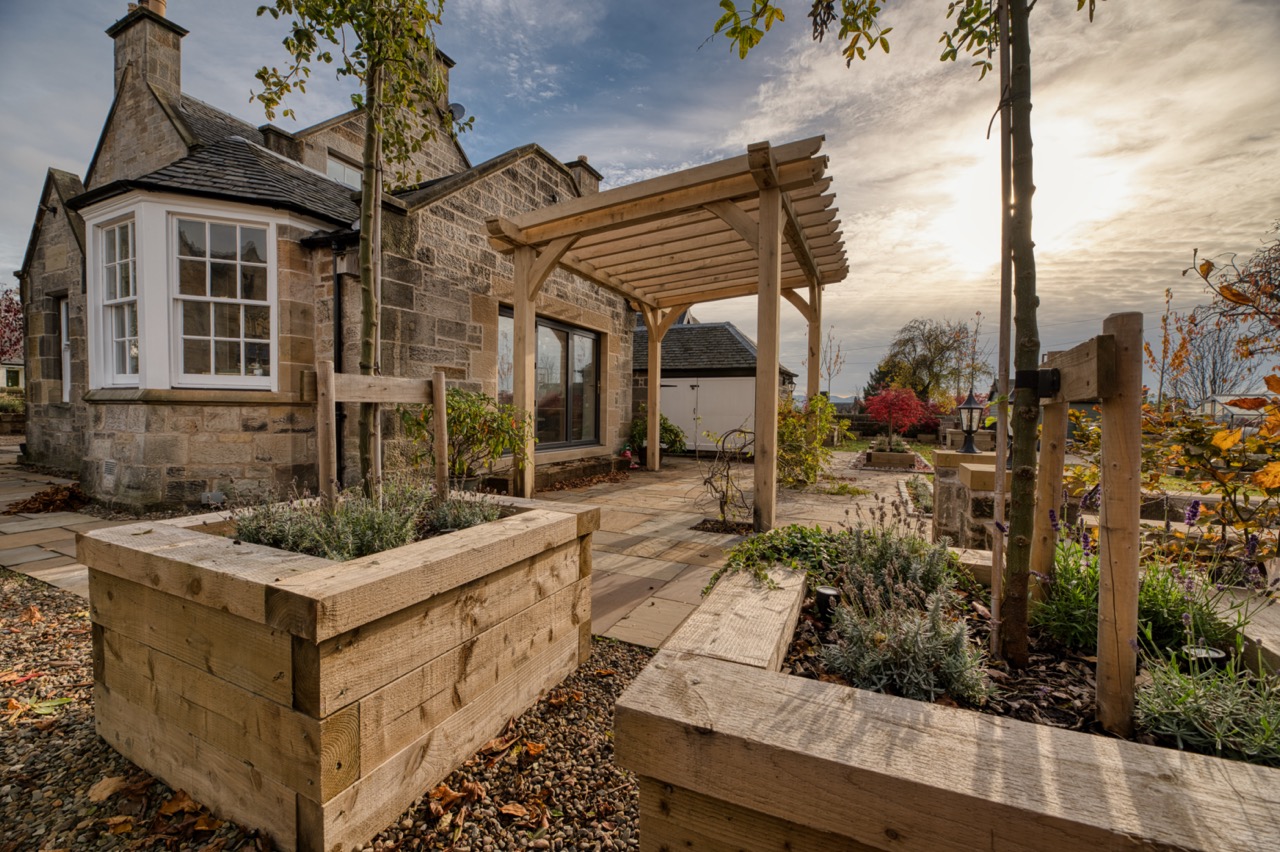
Pergolas have evolved from simple garden features to sophisticated outdoor rooms that extend your living space into the garden. Whether you're looking to create a cozy dining area, a shaded retreat, or an architectural focal point, a well-designed pergola can transform your garden. Here's everything you need to know about designing the perfect outdoor living space.
Understanding Pergola Styles
The style of your pergola should complement your home's architecture and your garden's character. Traditional timber pergolas suit period properties and cottage gardens, with their warm, natural appearance aging beautifully over time. Modern designs featuring clean lines and contemporary materials work well with newer homes. Consider whether you want an attached structure extending from your house or a freestanding feature positioned as a garden focal point.
Material Selection for Scottish Weather
In Scotland's climate, material choice is crucial for longevity and maintenance. Pressure-treated softwood offers excellent value and durability when properly maintained. Cedar and oak provide natural resistance to decay and develop a beautiful silver-grey patina over time. For virtually maintenance-free options, consider composite materials that mimic wood but require minimal upkeep.
All timber should be treated for Scottish weather conditions—we use premium pressure-treated timber with a minimum 15-year guarantee against rot and insect damage. Regular application of wood preservative extends this protection and maintains the pergola's appearance.
Size and Positioning
Getting the size right is essential. A pergola should be proportionate to your garden and house—too small and it looks insignificant, too large and it overwhelms the space. As a general rule, allow for comfortable furniture plus circulation space. A dining area typically needs at least 3m x 4m to accommodate a table for six with room to move chairs.
Position matters enormously. Consider sun direction—afternoon sun is ideal for dining areas. Think about views both from and toward the pergola. Access from the house should be convenient, and the structure should enhance rather than block sight lines through your garden.
Creating Shelter and Shade
While traditional open pergolas offer minimal weather protection, modern designs can incorporate various covering options. Polycarbonate roofing panels provide rain protection while allowing light through. Retractable canopies offer flexibility—open for sunshine, closed for shade or showers. Living roofs created by climbing plants provide natural shade and stunning seasonal interest.
For year-round usability, consider adding removable side panels or glass screens. These block wind while maintaining views and can be removed during warmer months. Some clients opt for outdoor heating or even wood-burning stoves within their pergola, creating a cozy space usable well into autumn and winter.
Lighting Your Outdoor Room
Integrated lighting transforms a pergola from day-only structure to evening entertaining space. LED strip lighting along beams creates ambient illumination. Downlighters provide task lighting for dining. String lights add a magical, festive atmosphere perfect for summer gatherings.
Plan electrical requirements early in the design process. Low-voltage systems are safer for outdoor use and more economical to run. Solar-powered options work well in exposed positions but may need supplementing during Scottish winters when daylight is limited.
Planting and Integration
Softening a pergola with plants creates a living space that evolves through seasons. Climbing roses, wisteria, and clematis all thrive in Scotland and provide beautiful displays. Choose plants carefully—some climbers become very heavy and require strong support. Consider fragrance, bloom times, and maintenance needs.
Surrounding planting helps integrate the pergola into your garden. Raised beds around the base create definition and interest. Container plants offer flexibility and can be changed seasonally. Evergreen planting provides year-round structure and privacy.
Practical Considerations
Before building, check if planning permission is required. Most domestic pergolas don't need permission, but there are size and position restrictions. Building regulations may apply if you're adding heating or enclosing sides.
Budget realistically—quality construction that will last decades costs more upfront but provides better value. Include costs for foundations, electrics, finishes, and planting in your budget. Professional installation ensures structural integrity and longevity.
Design Your Perfect Pergola
Creating an outdoor living space tailored to your needs requires experience and expertise. At Maybury Landscaping, we design and build custom pergolas that combine beauty, functionality, and durability. From initial concept through to completion, we'll work with you to create an outdoor room you'll love for years to come.