How to Choose Artificial Grass: A Scottish Homeowner's Buying Guide
Expert specifications and quality indicators for Edinburgh, Stirling, Falkirk gardens
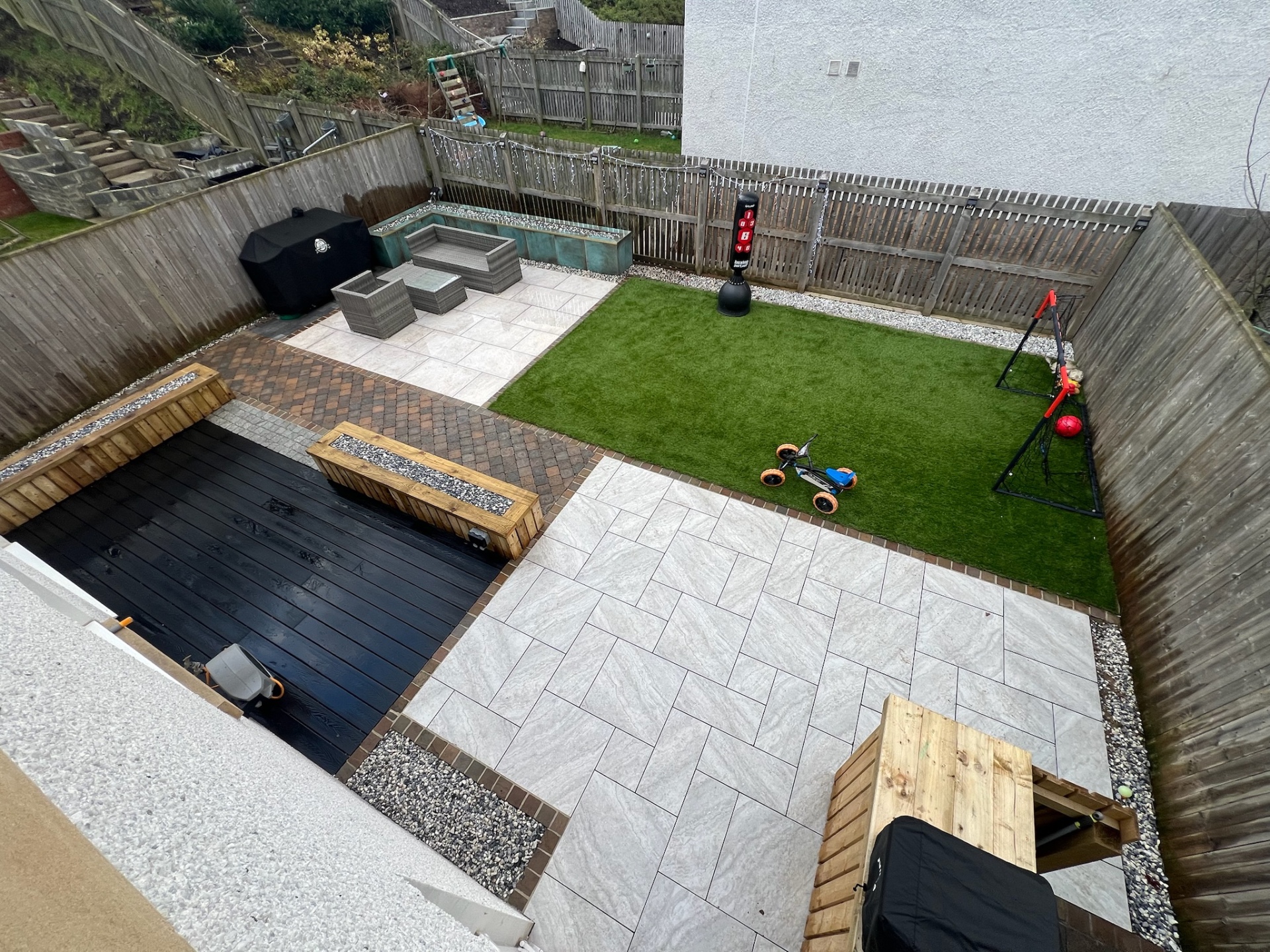
Choosing artificial grass for Scottish conditions requires understanding specific quality indicators, drainage requirements, and performance specifications. This comprehensive buying guide helps Edinburgh, Stirling, Falkirk, and Central Scotland homeowners select products providing excellent long-term value—avoiding expensive mistakes and ensuring 15-20 year performance in our challenging climate.
Essential Specifications: Scottish Artificial Grass Checklist
- ✅ Pile Height: 30-40mm (optimal balance)
- ✅ Drainage Rate: 30-40+ litres/m²/minute
- ✅ UV Stabilization: Minimum 8-10 years
- ✅ Pile Density: 16,000-20,000 stitches/m²
- ✅ Backing Weight: 800-1,200+ gsm
- ✅ Multi-tone Coloring: Dual or triple tone minimum
- ✅ Warranty: 10+ years product, 5+ years installation
- ✅ BS 7044 Certification: Verified testing standards
Expert Artificial Grass Selection Consultation
Maybury Landscapes provides professional artificial grass selection advice throughout Edinburgh, Stirling, Falkirk, and Central Scotland. Free consultations reviewing your specific requirements, climate considerations, budget, and usage needs ensuring optimal product selection.
Frequently Asked Questions
What pile height artificial grass should I choose for Scotland?
Choose 30-40mm pile height for Scottish gardens balancing realism, comfort, and drainage. 30-32mm suits modern aesthetics and facilitates excellent drainage—ideal for high-rainfall areas like Stirling and Falkirk. 35-38mm provides luxurious appearance with enhanced cushioning—perfect for family gardens and pet areas. 40mm+ offers maximum comfort but impedes drainage and costs more without significant benefits. Avoid pile heights below 25mm (uncomfortable, shows wear quickly) or above 45mm (poor drainage, excessive cost). Mid-range 35mm pile height represents optimal balance for typical Scottish conditions.
How do I choose artificial grass that drains well in Scottish weather?
Scottish artificial grass requires minimum 30-40 litres per square metre per minute drainage rate. Verify specifications before purchase—budget products often claim high drainage without independent testing. Check drainage hole density: minimum 8-12 holes per m² for residential, 15-20 holes per m² for pets or problematic drainage. Look for laser-cut perforations (stay open) rather than punched holes (close during installation). Request BS 7044 certification confirming drainage performance. Test samples if possible: pour water observing drainage speed—should drain within seconds not minutes. Premium drainage products cost £8-£15/m² more but essential for Scotland's 900-1,400mm annual rainfall preventing expensive waterlogging failures.
What backing type is best for artificial grass in Scotland?
Choose heavy-duty latex or polyurethane backing for Scottish conditions. Latex backing (standard quality): suitable for typical residential use, handles moderate wear, costs less but degrades faster in persistent moisture. Polyurethane backing (premium): superior durability in wet conditions, resists tearing better, longer lifespan, and maintains flexibility in cold weather—ideal for Scottish climate. For pet areas: antimicrobial backing essential preventing bacteria growth and odor development. Avoid thin single-layer backing found in budget products—tears quickly under use and fails within 3-5 years. Backing weight indicates quality: minimum 800-1,000gsm for residential, 1,200+gsm for high-traffic or pet areas.
Should I choose realistic multi-tone or budget single-tone grass?
Multi-tone artificial grass (dual or triple colors) provides significantly more realistic appearance worth extra £5-£8/m² investment. Single-tone grass appears flat and obviously artificial from distance—acceptable for budget-conscious or contemporary aesthetic preferences. Multi-tone blends include: primary green base color, lighter green highlights mimicking new growth, brown or beige tones simulating natural variation, and sometimes darker shades creating depth. Four-tone products offer ultimate realism but marginal improvement over triple-tone at 15-20% premium. For front gardens or high-visibility areas: invest in multi-tone realism. For back gardens or purely functional areas: single-tone adequate. Most Edinburgh and Central Scotland homeowners choose dual or triple-tone balancing appearance and budget.
What UV stabilization rating do I need for Scottish artificial grass?
Scottish artificial grass requires minimum 8-10 years UV stabilization despite lower sun exposure than southern UK. While Scotland experiences fewer UV-intense days, summer sun still degrades materials—budget products without UV protection fade to pale green within 3-4 years. UV stabilization ratings: 5-7 years (budget, fades quickly), 8-10 years (standard residential, adequate for Scotland), 12-15 years (premium, excellent longevity), 15-20+ years (commercial grade, maximum durability). UV-stabilized products contain additives preventing polymer degradation from sunlight. Without stabilization, artificial grass becomes brittle, loses color vibrancy, and deteriorates prematurely. Verify UV rating certificates—some suppliers exaggerate claims without independent testing. Invest in 10+ year UV stabilization ensuring appearance longevity matching product lifespan.
What pile density (stitches per square metre) should I choose?
Choose 16,000-20,000 stitches per square metre providing optimal density for Scottish residential use. Lower density (below 14,000): appears sparse, flattens quickly, shows traffic patterns within 2-3 years, and provides inadequate cushioning. Mid-range density (16,000-18,000): excellent balance of appearance, durability, drainage, and cost—suitable for most family gardens. High density (18,000-20,000+): luxurious appearance, superior durability under heavy use, maintains shape longer, but costs 20-30% more and can impede drainage if pile too long. Very high density (22,000+): commercial applications only—excessive cost without residential benefits and poor drainage. Calculate cost per stitch comparing products—sometimes lower density premium products cost more than higher density mid-range alternatives.
How do I verify artificial grass quality before purchasing?
Request physical samples examining: pile recovery (press firmly, release—should spring back immediately), backing thickness and weight (heavy, substantial feel indicates quality), drainage holes (numerous, evenly spaced, clean-cut edges), blade shape and texture (varied thickness, natural appearance), color consistency (multi-tone realistic variation), and smell (strong chemical odor indicates poor quality materials). Ask suppliers: pile height and density specifications, drainage rate with testing certificates, UV stabilization rating and duration, warranty length and coverage, backing type and weight, and BS 7044 or equivalent certification. Compare multiple samples in natural outdoor light—showroom lighting misleads. Avoid suppliers refusing samples or specifications—likely hiding inferior products. Reputable suppliers provide comprehensive specifications, testing certificates, and generous sample policies.
What warranty should quality artificial grass include?
Quality artificial grass includes minimum 10-year product warranty covering: UV degradation and fading, backing deterioration, pile flattening beyond normal wear, and drainage performance maintenance. Premium products offer 12-15 year warranties reflecting superior materials and manufacturing. Installation warranties (separate): minimum 5 years covering workmanship, drainage function, edge securing, and seam integrity. Warranty exclusions typically include: misuse or damage, improper maintenance, extreme weather damage, and deliberate damage. Verify warranty transferability—some void upon property sale limiting resale value addition. Budget artificial grass lacking warranties indicates poor quality—manufacturers unwilling backing products knowing failure rates. Always obtain written warranties before installation—verbal promises provide no protection. Reputable installers provide comprehensive warranties demonstrating confidence in materials and workmanship quality.
Should I buy artificial grass online or from local Scottish suppliers?
Local Scottish suppliers offer advantages: physical samples examination, local climate expertise, realistic pricing including installation, and accountability for problems. Online suppliers offer: potentially lower prices (but hidden costs common), wider product selection, convenience, but no quality verification before purchase and complicated returns. Considerations: artificial grass requires professional installation—DIY installations frequently fail causing expensive corrections. Local suppliers typically include or arrange professional installation ensuring proper sub-base, drainage, and finishing. Online purchases require finding separate installers—coordination challenges and warranty complications when problems occur. For Scottish conditions: local suppliers understand climate requirements, soil challenges (Edinburgh's rock, Falkirk's clay), and appropriate specifications. Recommendation: obtain quotes from 2-3 local suppliers and 1-2 online options comparing total installed costs including professional fitting—often discover local suppliers competitive once installation factored.
What's the difference between residential and commercial grade artificial grass?
Commercial grade artificial grass provides: heavier backing (1,200-1,500+gsm vs 800-1,000gsm residential), higher pile density (20,000+ vs 16,000-18,000 stitches/m²), enhanced UV stabilization (15-20 years vs 8-12 years), superior drainage rates (60+ vs 30-40 litres/m²/minute), and rigorous testing standards. Commercial products cost 30-50% more than residential equivalents—justified for: high-traffic commercial applications, sports facilities, multiple large dogs creating exceptional wear, or homeowners prioritizing maximum longevity regardless of cost. Most Scottish residential applications don't require commercial grade—mid-range residential products provide excellent 12-15 year performance. Consider commercial grade for: properties with 3+ large dogs, extensive children's play areas with constant use, or prestige homes where appearance critical regardless of investment. Typical family homes: residential grade perfectly adequate balancing quality and budget appropriately.