Garden Maintenance Tips for Edinburgh: A Month-by-Month Guide
Edinburgh's climate is tougher on gardens than most homeowners realise — heavy clay, persistent damp, freeze-thaw cycles in February, and increasingly hot dry stretches in July. This guide is the calendar we follow on our own maintenance contracts across the city, condensed into the jobs that actually move the needle each season.
Spring (March–May)
Spring is the make-or-break season for an Edinburgh garden. Get this right and the rest of the year is straightforward.
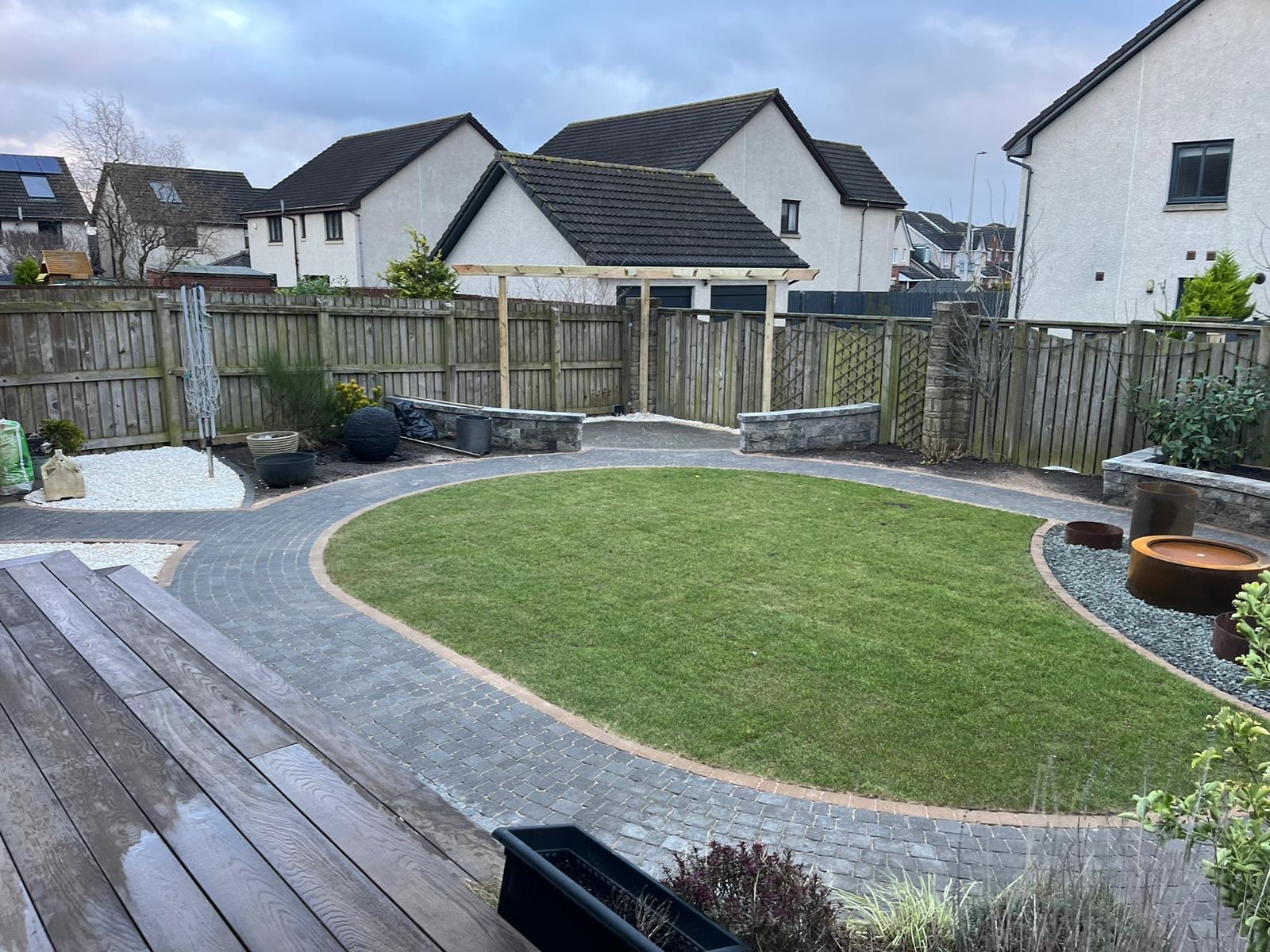
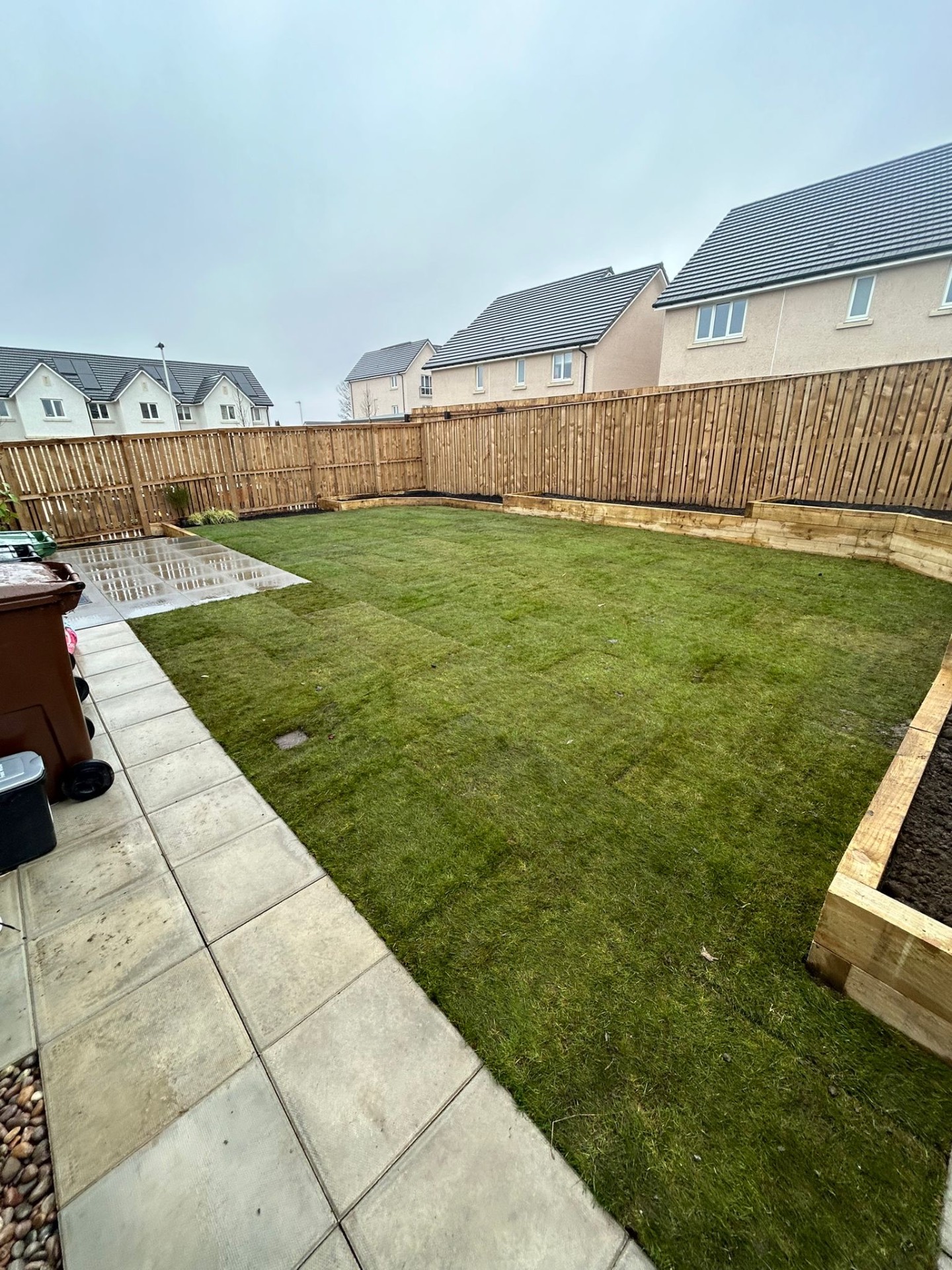
- Lawn: First cut high (40–50 mm) once temperatures consistently exceed 8 °C. Scarify and aerate by mid-April. Apply spring feed high in nitrogen.
- Borders: Cut back perennials, divide overgrown clumps, mulch with 50–75 mm of bark.
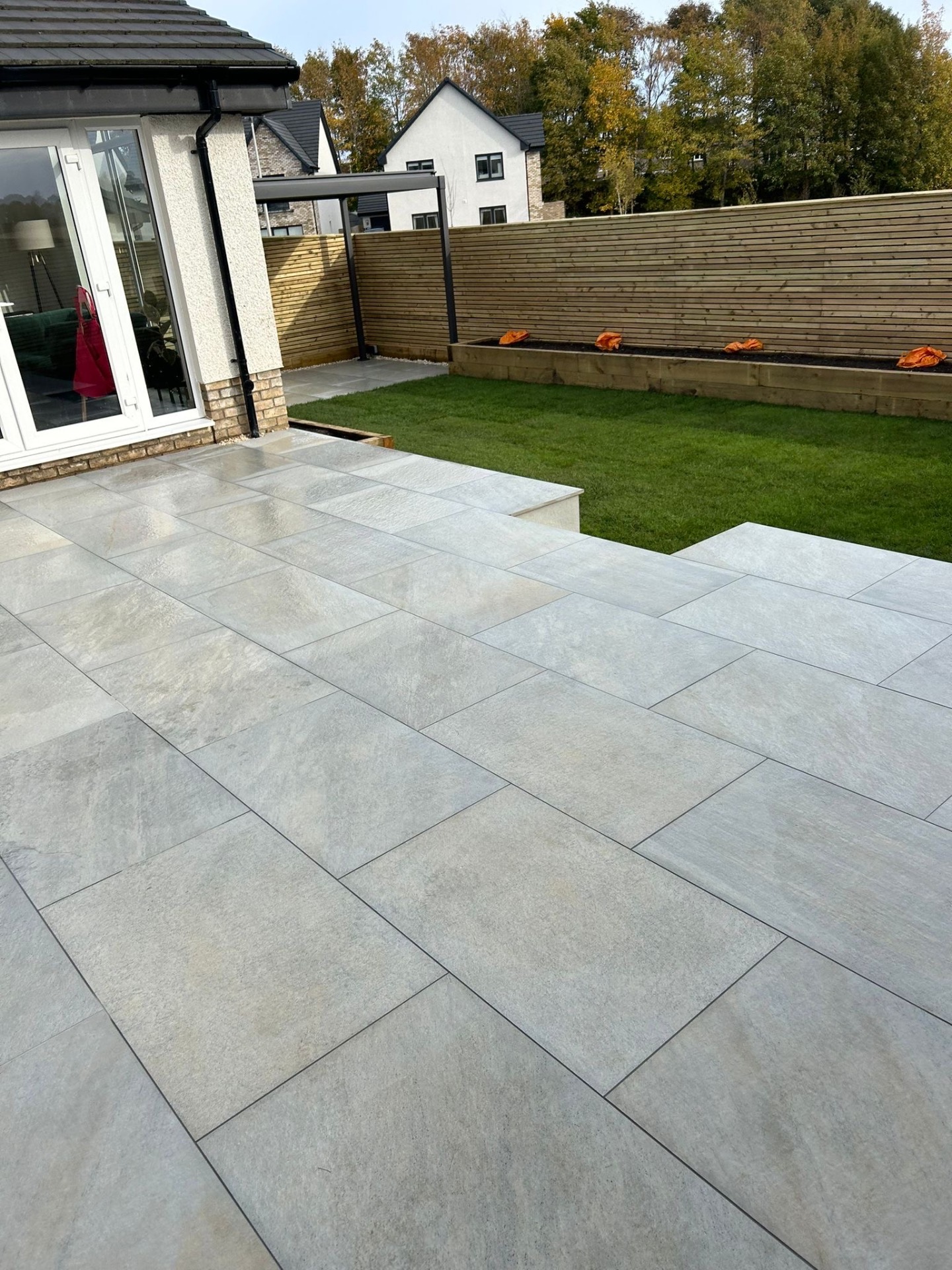
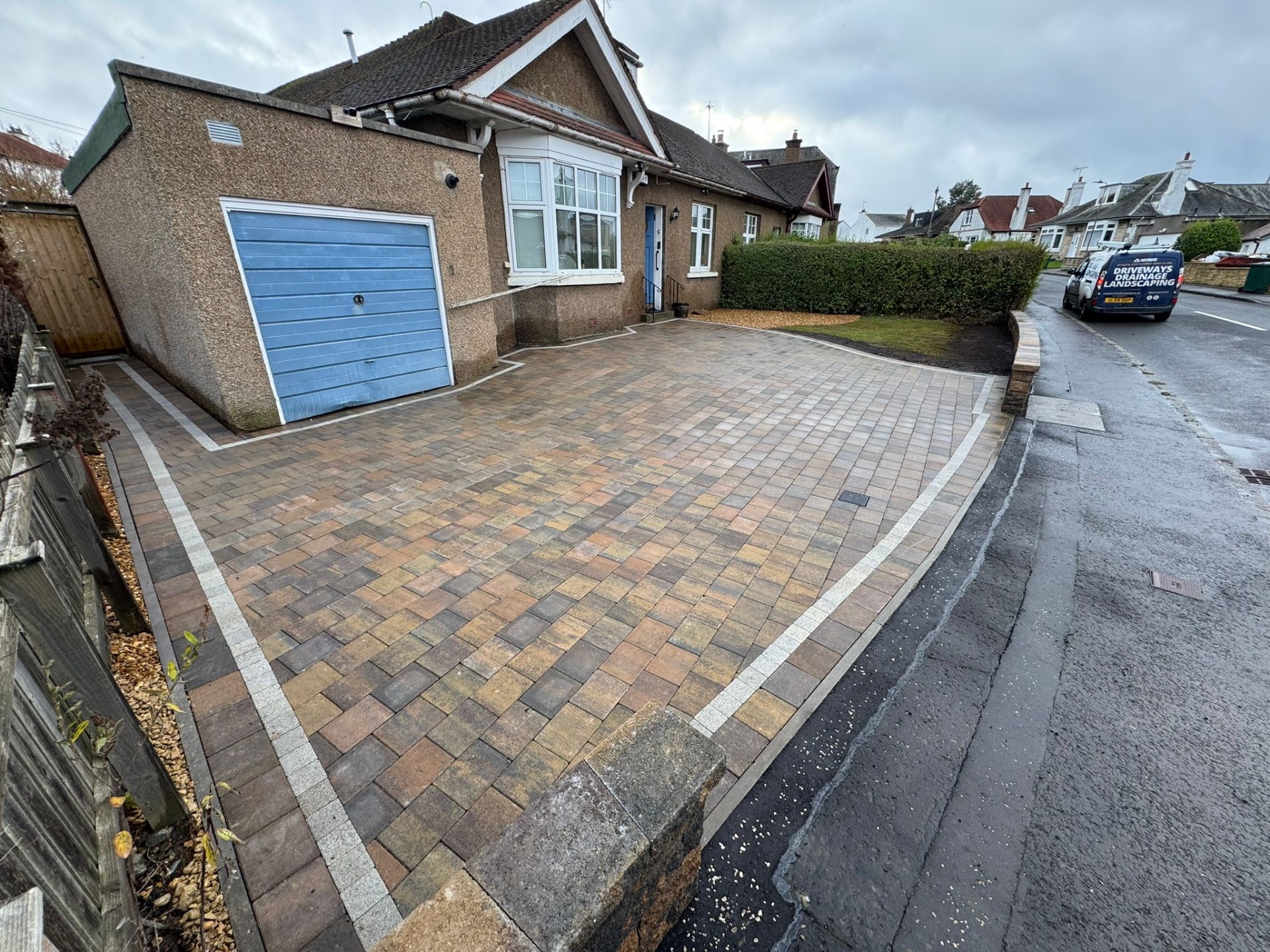
- Patios: Low-pressure jet-wash sandstone, brush porcelain. Re-sand block paving joints with kiln-dried sand.
- Drainage: Clear all gullies and ACO channels — Edinburgh's spring rainfall tests every drain.
- Pruning: Late-summer flowering shrubs (buddleja, hardy fuchsia) hard-prune in March. Roses by mid-March.

Summer (June–August)
Edinburgh summers now regularly hit 25 °C+ for stretches in July and August. Watering priorities have shifted permanently — established lawns mostly fend for themselves; new planting and pots are the priority.
- Lawn: Cut weekly at 25–35 mm. Raise the height during dry spells. Don't water unless essential — Edinburgh lawns recover well.
- Watering: Deep, infrequent soaks beat daily sprinkles. Early morning or evening only.
- Pots & containers: Daily check; weekly liquid feed.
- Hedges: Trim formal hedges (yew, beech, privet) once between mid-June and August.
- Pests: Watch for box blight, lily beetle, vine weevil — Edinburgh garden centres see all three through summer.
Autumn (September–November)
Autumn is unfairly skipped by most homeowners — yet it sets up the entire next year. Get these jobs done before the clocks change.
- Lawn: Final scarify and hollow-tine aerate in September. Apply autumn feed (high potassium, low nitrogen).
- Leaves: Clear off lawn weekly to prevent yellow patches; bag leaves separately for leaf mould.
- Bulbs: Plant tulips, daffodils, alliums by mid-November.
- Drainage: Re-clear all gullies before winter rainfall peaks.
- Pruning: Lightly trim tall perennials and shrubs to reduce wind-rock damage.
Winter (December–February)
Edinburgh winters are wet more than cold — most damage comes from waterlogging and storms rather than hard frosts. The smallest amount of preventative work in November pays back all winter.
- Furniture: Lift off patios — mossy ring stains form within a single wet month.
- Water features: Lift submersible pumps; insulate exposed pipework.
- Tools: Service the mower (sharpen blades, oil change, fresh fuel).
- Don't: Pressure-wash patios in frost — water in joints freezes and lifts slabs.
- Late winter pruning: Wisteria (Feb), apple and pear trees (Dec–Feb), late-flowering clematis Group 3 (late Feb).
When to Call a Professional
Most Edinburgh gardens benefit from one or two professional visits per year — typically a March set-up (scarify, aerate, feed, prune) and a September reset. Annual maintenance contracts run from around £600 for monthly visits on a small garden, up to £3,000+ for fortnightly attention on larger estates. We also offer one-off "spring start" visits for homeowners who manage their own gardens but want help getting the season going correctly.
Frequently Asked Questions
When should I cut my lawn in Edinburgh?
Edinburgh lawn season runs roughly mid-March to late October. First cut should be a high one (40–50 mm) once daytime temperatures consistently sit above 8 °C. Through May to August cut weekly at 25–35 mm; through September drop to fortnightly at 35–40 mm. Don't cut wet grass — Edinburgh's clay soil compacts under mower wheels in damp conditions, leading to rutting and patchy growth.
How do I stop moss taking over my Edinburgh lawn?
Moss thrives in Edinburgh's damp, shaded conditions on compacted clay. The fix is structural: scarify in March and September to remove existing moss and thatch, hollow-tine aerate every 2–3 years to open compaction, and top-dress with a 70:30 sand-loam mix to improve drainage at root level. Apply iron sulphate (lawn sand) in early spring to blacken and kill remaining moss before raking out.
How often should I jet-wash my Indian sandstone patio?
In Edinburgh, Indian sandstone needs a low-pressure clean every 12–18 months and a fresh sealant coat every 2–3 years. Use a fan-tip lance at no closer than 300 mm and avoid blasting joints — repointing failure is the most common after-effect of aggressive jet-washing. Porcelain patios, by contrast, need only a soft-brush wash and barely ever need sealing.
When should I prune in an Edinburgh garden?
Roughly: prune spring-flowering shrubs (forsythia, philadelphus, ribes) immediately after they finish flowering. Prune summer-flowering shrubs (buddleja, hardy fuchsia, lavatera) in late February to early March. Prune wisteria twice — long shoots back to 5 buds in late August, then to 2 buds in February. Never prune cherries, plums or other Prunus species in winter due to silver leaf risk; wait until midsummer.
How do I prepare my Edinburgh garden for winter?
Five winter-prep jobs make the biggest difference: clear gutters and rainwater channels (Edinburgh storms drop 50 mm overnight), lift submersible pumps from water features, raise patio furniture off paving (mossy ring stains otherwise), apply a final autumn lawn feed high in potassium, and mulch borders with 50–75 mm of bark to insulate roots through hard frosts. Avoid winter pressure-washing — frost on damp paving lifts joints.
Need a Hand with Your Edinburgh Garden?
Maintenance visits, seasonal resets and full landscaping projects across Edinburgh, the Lothians and Central Scotland.
Call 0800 644 0131