Complete Guide to Garden Drainage Solutions Scotland 2025
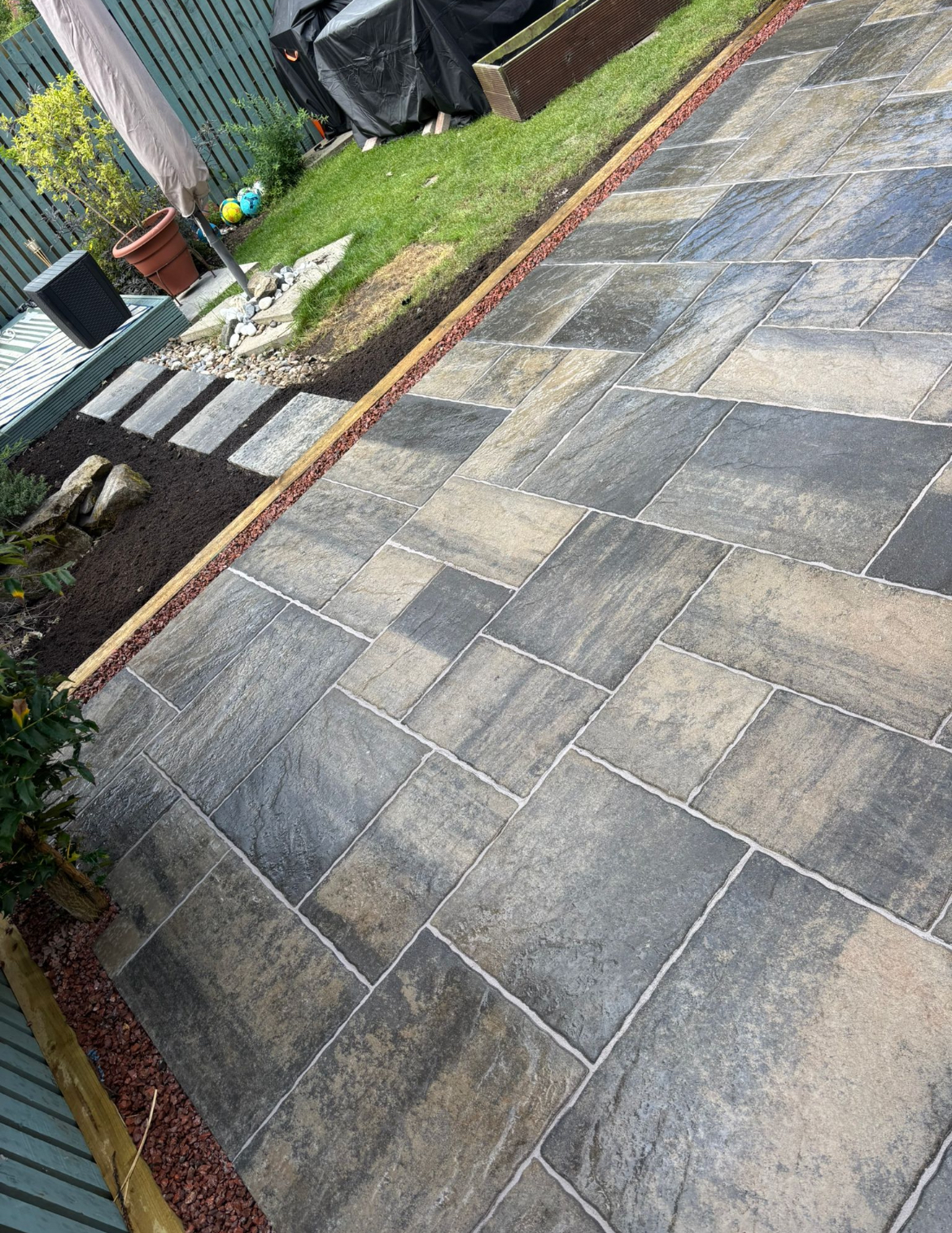
Comprehensive guide to garden drainage solutions in Scotland. Learn about French drains, soakaways, clay soil challenges, costs, Scottish Building Standards compliance, and professional installation techniques for fixing waterlogged gardens across Edinburgh, Glasgow, Stirling, and Central Scotland.
Garden drainage problems affect thousands of Scottish properties annually. Scotland's high rainfall (800-3000mm depending on location), heavy clay soil prevalent across Central Scotland, and aging Victorian drainage infrastructure create persistent waterlogging, surface water pooling, and damp issues affecting gardens and properties from Edinburgh to Glasgow.
This comprehensive guide covers everything Scottish homeowners need to know about garden drainage solutions, from identifying problems to choosing appropriate systems, understanding costs, ensuring Scottish Building Standards compliance, and maintaining drainage long-term.
Why Do Scottish Gardens Need Drainage?
Scottish gardens face unique drainage challenges compared to drier UK regions. Understanding why your garden suffers waterlogging helps identify appropriate solutions.
Scotland's High Annual Rainfall
Scotland receives significantly more rainfall than UK average (1154mm vs 885mm annually). Western regions experience 2000-3000mm rainfall (Fort William 3000mm, Glencoe 2500mm), Edinburgh 770mm, Glasgow 1100mm, Stirling 1200mm. This persistent precipitation saturates soil beyond natural drainage capacity, creating waterlogged conditions throughout autumn and winter months.
Scotland's "four seasons in one day" weather patterns mean gardens experience frequent rainfall events rather than extended dry periods allowing soil recovery. Even Edinburgh's relatively low 770mm annual rainfall concentrates in 174 rain days annually, providing limited drainage windows.
Heavy Clay Soil Across Central Scotland
Central Scotland's glacial geology deposited heavy clay soil with poor natural drainage characteristics. Clay has infiltration rates 100-1000x slower than sandy soil (0.001-0.01 m/day vs 1-10 m/day), meaning water sits on surface rather than percolating downward. Areas particularly affected include Glasgow's drumlin deposits, Falkirk's clay belt, Livingston's new build estates, and parts of Edinburgh and Stirling.
Clay soil expands when wet and contracts when dry, creating structural stress on properties. Persistent saturation from inadequate drainage causes foundation movement, damp ingress, and unusable waterlogged gardens for 6-8 months annually.
Victorian and Inadequate Drainage Infrastructure
Many Scottish properties retain Victorian-era drainage designed for lower rainfall volumes and different building standards. Cast iron pipes deteriorate after 100+ years, stone culverts collapse, and inadequate soakaway capacity fails under modern precipitation patterns. New build developments across Livingston, Dunfermline, and outskirts of Edinburgh and Glasgow often meet only minimum Building Standards requirements, leaving properties vulnerable to drainage failure within 2-5 years.
Urban density in Edinburgh tenements, Glasgow's West End, and Stirling's historic center means multiple properties discharge water onto lower gardens, overwhelming existing drainage infrastructure and creating persistent waterlogging despite property owners' best efforts.
What Drainage Solutions Work Best in Scotland?
Different drainage problems require different solutions. Effective Scottish garden drainage often combines multiple approaches addressing both surface water and subsurface saturation.
French Drain Systems (Most Common Solution)
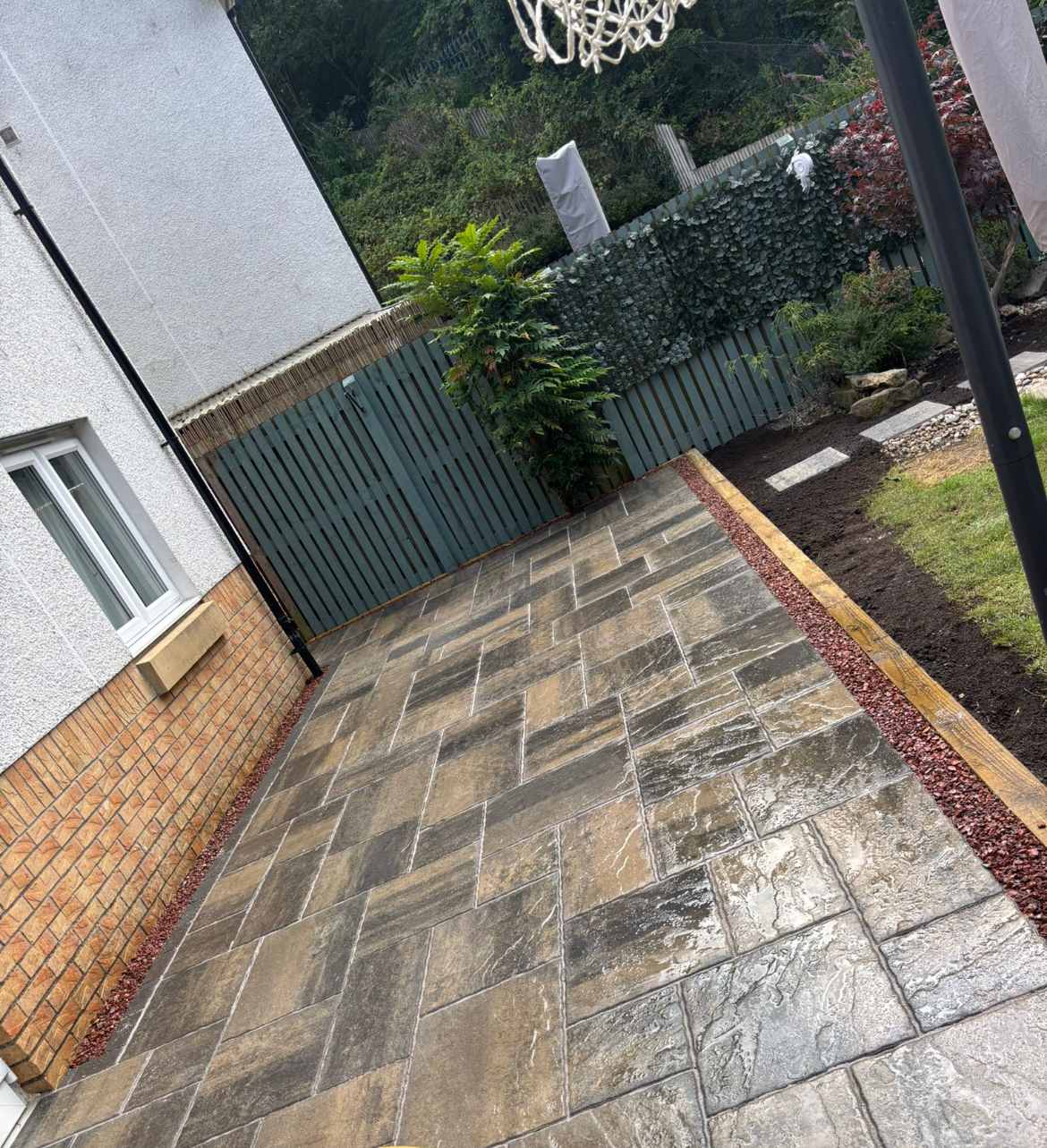
French drains are the most effective subsurface drainage solution for Scottish gardens. These systems consist of perforated pipes (100-150mm diameter) surrounded by clean 20mm aggregate and wrapped in geotextile fabric, installed in trenches 600-800mm deep with minimum 1:100 falls ensuring gravity drainage.
How French Drains Work: Water percolates through soil into aggregate surrounding perforated pipes. Gravity pulls water through pipe perforations into the pipe itself, which channels flow toward soakaways or mains drainage connections. Geotextile fabric prevents clay and silt particles clogging aggregate while allowing water passage.
Best For: Persistent garden waterlogging, clay soil drainage, intercepting groundwater, protecting foundations from water ingress, preventing damp issues. Effective across Edinburgh, Glasgow, Stirling, Falkirk, Livingston, and throughout Central Scotland.
Cost: £2,200-£3,800 for typical Scottish garden depending on size and soil conditions. Add £400-800 for volcanic rock excavation (Edinburgh, Stirling) or extreme clay disposal (Glasgow, Falkirk).
Lifespan: 25-40 years with quality materials and proper installation meeting BS 7044 standards.
Soakaway Systems
Soakaways are underground chambers allowing water to slowly infiltrate surrounding soil. Essential for French drain discharge and surface water management, soakaways must be sized appropriately for Scottish rainfall and soil permeability.
Sizing Requirements: Standard sandy soil requires 1m³ soakaway per 100m² garden. Scottish clay soil requires 2-3x this capacity due to poor infiltration rates. Minimum soakaway size 1.5-2m³ for small gardens, 2.5-3.5m³ for medium gardens (100-200m²), 4-6m³ for large gardens (200m²+).
Types: Crated soakaway systems (plastic crates) provide maximum storage in minimal space, ideal for Scottish clay. Rubble-filled soakaways (traditional method) require larger excavations but use cheaper materials. Both wrapped in geotextile preventing sediment infiltration.
Location: Minimum 5m from buildings protecting foundations, positioned at lowest garden point ensuring gravity drainage. Where clay soil prevents adequate infiltration, connect to surface water sewers with Scottish Water approval.
Cost: £800-£1,800 installed depending on size and soil excavation difficulty.
Surface Water Drainage (Channel Drains, Linear Drainage)
Surface drainage systems collect rainfall before soil saturation, particularly important for patios, driveways, and paved areas common in Scottish gardens. Channel drains (linear grated channels) and slot drains intercept surface water directing it to soakaways or mains drainage.
Best For: Patio edges preventing water pooling, driveway drainage, areas where subsurface drainage insufficient, properties with impermeable surfaces. Commonly installed in Edinburgh, Glasgow, and Stirling urban properties where paving creates runoff concentration.
Materials: Polymer concrete (residential), cast iron (heritage properties), stainless steel (modern installations). Grates removable for maintenance.
Cost: £80-£150 per linear metre installed including connections to drainage systems.
Permeable Paving and Artificial Grass Solutions
Replacing impermeable surfaces with permeable alternatives prevents water accumulation while creating usable outdoor spaces. Particularly effective for severe Scottish clay waterlogging where subsurface drainage alone insufficient.
Permeable Paving: Porous paving blocks or gravel grids over MOT Type 1 sub-base (150-200mm depth) and sharp sand (50mm) allow water percolation while supporting vehicle/foot traffic. Water drains through surface into sub-base, channeled by underlying French drains to soakaways.
Artificial Grass: Installed over free-draining sub-base (MOT Type 1 100-150mm, sharp sand 50mm), artificial grass eliminates muddy waterlogged lawn problems common in Scottish winters. Drainage rate 600-1200mm/hour far exceeding Scotland's heaviest rainfall.
Cost: Permeable paving £90-£140 per m², artificial grass £85-£130 per m² installed over drainage sub-base.
Slope and Cascade Drainage Systems
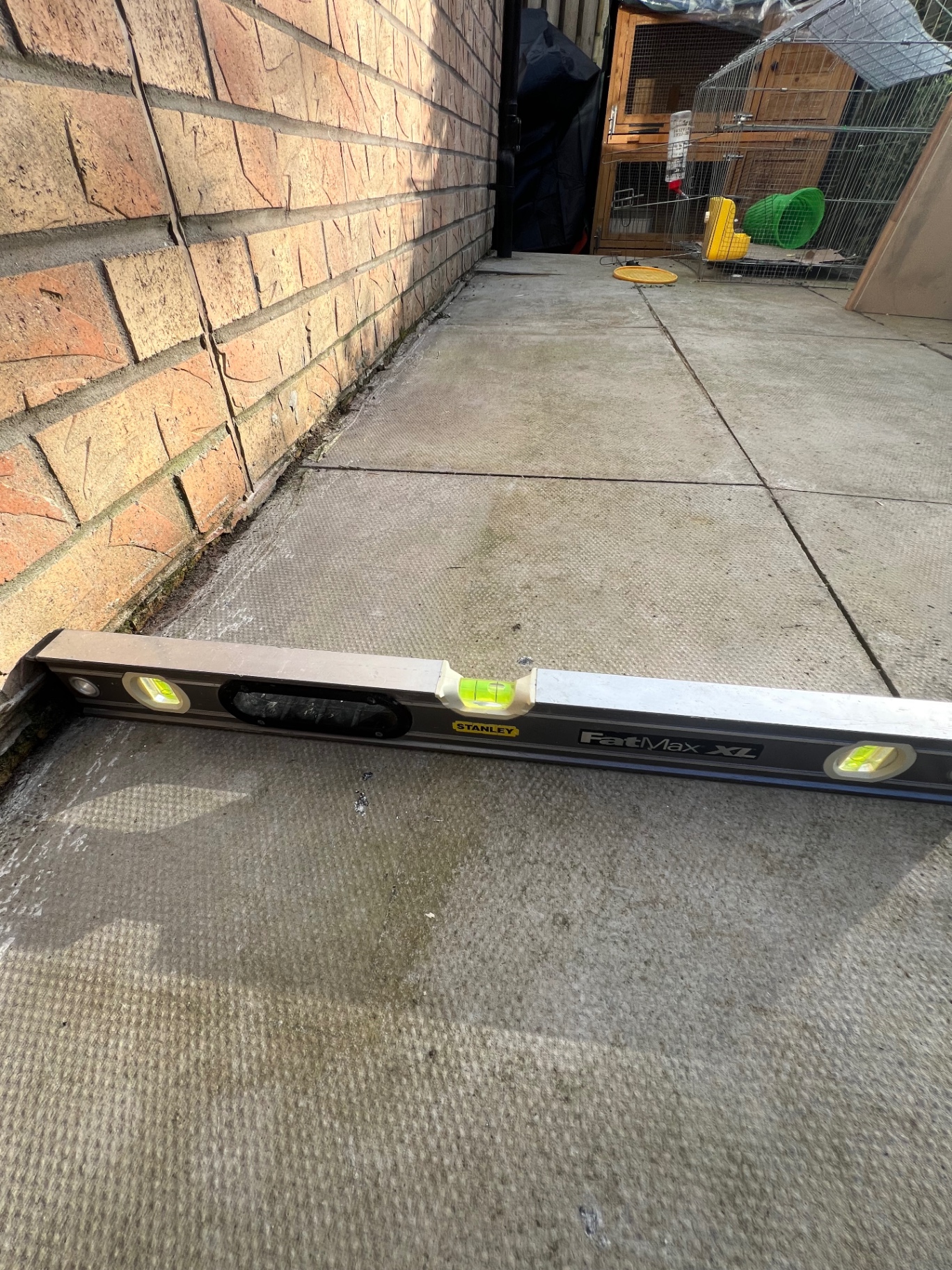
Scotland's hilly terrain (Edinburgh's volcanic landscape, Glasgow's drumlins, Stirling castle rock, Highland edges) requires specialist slope drainage preventing erosion, managing downhill water flow, and protecting lower properties from concentrated runoff.
Cascade Systems: Create stepped collection points down slopes intercepting water before velocity increases. Each "step" includes French drain collecting water, discharging to next level or soakaway. Prevents garden erosion and manages hydrostatic pressure against retaining structures.
Cross-Slope Drainage: French drains installed perpendicular to slope capture water flowing laterally across gradients before pooling at garden base. Common in Edinburgh (Morningside, Blackford, Colinton), Glasgow (Queens Park, Milngavie), and Stirling hillside properties.
Cost: £2,800-£4,500 for slope drainage depending on gradient and garden size. Retaining wall drainage adds £1,500-£2,800.
Garden Drainage Installation Process
Professional drainage installation follows systematic process ensuring long-term performance meeting Scottish Building Standards requirements.
Step 1: Comprehensive Site Survey (Day 1)
Professional drainage begins with thorough site assessment identifying water sources (surface runoff, groundwater, neighbouring properties), measuring garden gradients and topography, evaluating soil type and depth (particularly important for clay soil and volcanic rock areas), checking existing drainage infrastructure condition, and assessing Scottish Water connection opportunities.
Survey includes percolation testing determining soil infiltration rates (essential for soakaway sizing), damp meter readings measuring moisture levels in walls and ground, and mapping water flow patterns during rainfall. Edinburgh volcanic rock areas, Glasgow clay deposits, and conservation properties require specialized assessment.
Step 2: Excavation and Ground Preparation (Days 2-3)
Excavate drainage trenches 600-800mm deep, 300-400mm wide following planned routes with minimum 1:100 falls ensuring gravity drainage. Use mechanical excavators for efficiency, rock breakers for Edinburgh/Stirling volcanic geology, and hand tools near foundations or protected features in conservation areas.
Clay soil disposal costs more than standard topsoil due to weight and limited reuse options. Protect existing gardens with ground protection boards, mark underground services (electric, water, gas), and coordinate with neighbours if shared access required for Edinburgh tenements or Glasgow terraces.
Step 3: French Drain Installation (Day 3)
Line trenches with geotextile fabric (minimum 300gsm) preventing silt infiltration while allowing water passage. Install perforated land drain pipes (100-150mm diameter depending on water volume) with proper falls toward discharge point. Surround pipes with clean 20mm aggregate providing free-draining properties.
Wrap geotextile over aggregate creating complete separation from surrounding clay soil. Connect lateral drains to main collector pipes using proper fittings ensuring watertight seals. Test falls using spirit level and water flow before backfilling.
Step 4: Soakaway Construction (Day 4)
Excavate soakaway pit (1.5-3.5m³ depending on garden size and soil type) minimum 5m from buildings. Install crated soakaway systems for maximum capacity in Scottish clay soil, or construct rubble-filled chambers using clean hardcore. Wrap completely in geotextile fabric preventing sediment infiltration.
Connect French drain discharge pipes to soakaway using inspection chambers allowing future maintenance access. Where clay soil prevents adequate infiltration, connect to surface water sewers with Scottish Water approval ensuring Building Standards compliance.
Step 5: Testing and Garden Restoration (Day 5)
Test drainage system under simulated rainfall ensuring water disappears within 4 hours per Building Standards requirements. Check all connections for leaks, verify falls throughout system, and ensure soakaway doesn't overflow during heavy water flow testing.
Backfill trenches with excavated soil (or premium topsoil where clay removed), compact preventing future settlement, and reinstate garden surfaces matching pre-existing character. Options include turf reinstatement, paving replacement, or garden upgrades (artificial grass, permeable paving) eliminating waterlogging entirely. Provide maintenance guidance and guarantee documentation.
Common Drainage Mistakes to Avoid
Undersized Soakaways in Clay Soil
Most drainage failures stem from inadequate soakaway sizing for Scottish clay soil. Standard 1m³ soakaway suitable for sandy soil fails in clay requiring 2-3x capacity. Always oversize soakaways in Central Scotland's heavy clay areas (Glasgow, Falkirk, Livingston) or connect to mains drainage where infiltration impossible.
Insufficient Falls in Pipe Installation
Drainage pipes require minimum 1:100 falls ensuring gravity flow. Flat or incorrectly graded pipes allow water pooling within system, silt accumulation, and eventual blockages. Use laser levels or proper surveying equipment verifying falls throughout installation. Scotland's challenging terrain (Edinburgh slopes, Glasgow drumlins) demands careful planning.
Poor Geotextile Usage or Omission
Geotextile fabric separating aggregate from clay soil prevents clogging preserving drainage performance for decades. Cheap fabrics tear during installation allowing clay migration. Using inadequate weight fabric (below 300gsm) or omitting entirely guarantees drainage failure within 2-5 years as clay particles clog aggregate and pipe perforations.
Connecting Drainage to Foul Sewers
Garden drainage must connect to surface water sewers, never foul sewers. Mixing surface water with sewage overloads treatment plants and breaches Scottish Water regulations potentially incurring significant fines. Always verify connection points during survey and obtain proper approvals for mains connections.
Ignoring Conservation Area Requirements
Edinburgh New Town, Glasgow West End, Stirling Old Town, and other conservation areas have restrictions on external alterations. Installing drainage without appropriate approvals can result in enforcement action requiring system removal. Always check requirements with local planning authorities before proceeding.
Location-Specific Drainage Considerations
Different Scottish regions face unique drainage challenges requiring tailored solutions.
Edinburgh Drainage Solutions
Edinburgh's volcanic geology (Castle Rock basalt, Arthur's Seat dolerite) creates unique challenges. Rock excavation costs £400-800 more than standard soil. Steep slopes throughout Morningside, Blackford, Colinton require cascade drainage systems. Tenement rear gardens collect runoff from multiple flats. Conservation area restrictions in New Town, Stockbridge, Dean Village demand specialist knowledge.
View Edinburgh drainage services →Falkirk Drainage Solutions
Falkirk's heavy clay belt creates severe waterlogging across residential areas. Clay excavation and disposal adds £300-600 to standard costs. Properties require oversized soakaways (2.5-3.5m³ minimum) due to poor infiltration. Industrial heritage means contaminated land considerations in some areas. Proximity to Forth & Clyde Canal affects groundwater levels in Camelon, Bainsford areas.
View Falkirk drainage services →Livingston Drainage Solutions
Livingston's new build estates suffer inadequate developer drainage meeting only minimum standards. Heavy clay soil compacted during construction prevents natural drainage. Properties 2-5 years old commonly require complete drainage system installation. Deans, Ladywell, Kirkton Campus areas particularly affected. Damp issues in new builds resolve quickly with proper drainage correction.
View Livingston drainage services →Stirling Drainage Solutions
Stirling combines volcanic rock challenges (castle crag) with clay deposits in Raploch, Bannockburn, Bridge of Allan. Conservation area restrictions in Old Town, Cambuskenneth require specialist approaches. Higher rainfall (1200mm annually) than Edinburgh. Hillside properties common throughout city require slope drainage expertise. Access constraints in historic center demand careful planning.
View Stirling drainage services →Linlithgow Drainage Solutions
Linlithgow's lochside location creates high water table challenges affecting properties near water. Victorian drainage infrastructure common in conservation area properties requires sensitive replacement. Period homes near palace have access restrictions requiring hand excavation. Groundwater levels 1-2m below surface during wet periods demand oversized soakaways and careful discharge planning.
View Linlithgow drainage services →Maintaining Your Drainage System
Proper maintenance ensures drainage systems perform effectively for 25-40 years meeting design expectations.
Annual Inspection Checklist
- Check channel drain grates for debris, leaves, and sediment accumulation (clear quarterly, more frequently in autumn)
- Monitor garden for new water pooling indicating system issues or capacity problems
- Inspect access chambers and connections ensuring no blockages or damage
- Verify downpipes and gutters clear, as blocked gutters overwhelm garden drainage
- Check soakaway area for surface saturation or overflow during heavy rainfall
Professional Maintenance (Every 5 Years)
Professional drainage maintenance (£120-£180) includes CCTV pipe inspection identifying blockages or root intrusion, high-pressure jetting cleaning accumulated sediment, soakaway inspection and cleaning if required, connection testing verifying system integrity, and performance testing confirming drainage capacity meets original specifications.
Scottish drainage systems benefit from quinquennial professional inspection extending lifespan significantly. Addressing minor issues before system failure prevents costly emergency repairs and property damage.
Frequently Asked Questions
What is the best drainage solution for Scottish gardens?
French drain systems are the most effective drainage solution for Scottish gardens, handling Scotland's high rainfall (800-3000mm annually) through perforated pipes wrapped in geotextile fabric and surrounded by clean aggregate. For clay soil prevalent across Central Scotland, French drains combined with properly sized soakaways (minimum 1m³ per 100m² garden) provide reliable water removal. Surface water management systems (channel drains, linear drainage) work best for patios and paved areas. Gardens on slopes benefit from cascade drainage systems preventing erosion. Heavy clay areas may require permeable paving or artificial grass over free-draining sub-base alongside subsurface drainage.
How much does garden drainage cost in Scotland?
Garden drainage in Scotland costs £1,800-£5,500 depending on garden size, soil type, and drainage complexity. Basic French drain systems cost £1,800-£2,800, full perimeter drainage £2,500-£3,800, and comprehensive solutions with soakaways and surface drainage £3,200-£5,500. Edinburgh's volcanic rock excavation adds £400-800, Glasgow's clay soil disposal £300-600, conservation area work (New Town Edinburgh, Stirling Old Town) adds 15-25%. Per linear metre costs range £45-75 standard soil, £65-95 rock excavation required. Price includes survey, excavation, materials (pipes, aggregate, geotextile), installation, testing, and surface restoration.
How long does garden drainage installation take?
Standard garden drainage installation takes 3-5 days in Scotland. Day 1 involves site survey and marking drainage routes. Days 2-3 cover excavation (longer in clay soil or volcanic rock), French drain installation, and aggregate backfill. Day 4 includes soakaway construction and system connections. Day 5 completes garden restoration with turf or paving reinstatement. Complex projects with multiple drainage zones, rock excavation (Edinburgh, Stirling), or conservation area restrictions may extend to 6-8 days. Emergency drainage for flooded properties can be installed within 24-48 hours. Most waterlogging issues resolve immediately upon completion.
Do I need planning permission for garden drainage in Scotland?
Most garden drainage in Scotland doesn't require planning permission as it's considered permitted development. However, exceptions apply: connecting to public sewers requires Scottish Water approval and Building Standards compliance, conservation area properties (Edinburgh New Town, Glasgow West End, Stirling Old Town) may need Listed Building Consent, diverting water onto roads or neighbouring properties needs local authority permission, soakaways within 5m of buildings require Building Standards notification, and work affecting protected trees needs consent. Always check with your local planning authority. Standard French drains and soakaways in private gardens typically proceed without formal approval.
How do you fix waterlogged gardens in Scotland?
Waterlogged Scottish gardens require comprehensive drainage solutions addressing root causes: install French drain systems collecting and channeling water away from problem areas to soakaways or mains connections, improve soil structure by excavating clay and installing free-draining sub-base (MOT Type 1 and sharp sand), construct properly sized soakaways (1-3m³ depending on garden size and soil permeability), add surface drainage (channel drains, permeable paving) managing rainfall before soil saturation, improve garden grading creating falls away from buildings, and consider raised beds or artificial grass over drainage layers for severe clay waterlogging. Most Scottish waterlogging stems from clay soil, inadequate drainage infrastructure, and high annual rainfall requiring professional assessment.
What type of soakaway works best in Scottish clay soil?
Crated soakaway systems work best in Scottish clay soil, providing maximum storage capacity with minimal excavation. Standard rubble soakaways require 2-3x larger volume in clay due to poor infiltration rates (0.001-0.01 m/day vs 1-10 m/day in sand). For clay soil, install soakaways minimum 2.5-3.5m³ capacity (vs 1-1.5m³ in sandy soil) positioned at lowest garden point away from buildings (5m minimum). Where clay prevents adequate infiltration, connect drainage to surface water sewers with Scottish Water consent or install pumped systems for extreme conditions. Central Scotland's heavy clay (Glasgow, Falkirk, Livingston, parts of Edinburgh) often requires oversized soakaways or alternative discharge methods ensuring reliable drainage performance.
Can drainage be installed on sloped Scottish gardens?
Yes, sloped gardens benefit significantly from drainage systems preventing erosion and managing downhill water flow. Cascade drainage systems create stepped collection points down slopes, intercepting water before velocity increases. Cross-slope French drains capture water flowing laterally across gradients. Retaining wall drainage manages hydrostatic pressure behind structures common on Edinburgh's volcanic slopes, Glasgow's drumlin hills, and Stirling's castle rock terrain. Permeable stepped terracing slows water movement while allowing infiltration. Surface water channels direct concentrated flow to discharge points safely. Scotland's hilly terrain (Edinburgh 200m elevation change, Glasgow's drumlins, Highland edges) requires specialist slope drainage preventing garden erosion, foundation undermining, and lower property flooding.
How do French drains work in Scottish weather?
French drains excel in Scottish weather by continuously collecting and channeling groundwater and rainfall through gravity-fed perforated pipes surrounded by clean aggregate. Scotland's 800-3000mm annual rainfall (Edinburgh 770mm, Glasgow 1100mm, Western Highlands 3000mm+) creates persistent soil saturation that French drains alleviate. Geotextile fabric wrapping prevents Scottish clay and peat particles clogging drainage aggregate. Minimum 1:100 falls ensure gravity flow without pumping. Sized correctly (100-150mm diameter pipes, 600-800mm excavation depth), French drains handle Scotland's 'four seasons in one day' weather patterns and occasional extreme rainfall events (100mm+ daily deluge). Systems installed to BS 7044 standards perform reliably for 25-40 years in Scottish conditions with minimal maintenance.
Conclusion: Solving Scottish Garden Drainage
Garden drainage problems significantly impact Scottish property enjoyment and value. Professional drainage solutions addressing Scotland's unique challenges—high rainfall, heavy clay soil, volcanic geology, Victorian infrastructure—create permanently dry, usable outdoor spaces enhancing quality of life and protecting property investments.
Whether fixing waterlogged Edinburgh tenement gardens, addressing Livingston new build clay soil issues, managing Linlithgow's lochside high water table, or tackling Falkirk's severe waterlogging, professional drainage installation following Scottish Building Standards delivers reliable long-term performance.
Investing in proper drainage pays dividends through usable gardens year-round, elimination of damp issues, protection of property foundations, and increased property value. Contact drainage specialists understanding Scottish conditions for comprehensive surveys and professional installations ensuring effective waterlogging solutions.
Need Professional Drainage Solutions?
Expert garden drainage across Edinburgh, Glasgow, Stirling, Falkirk, and Central Scotland. Free surveys, competitive pricing, and 10-year guarantees.